


Assemblies
Order your kit as one line.
Group parts and their variants into a kit with its own code, price and lead time — and order it as one line.
Get a quoteYour parts protected by an NDA.
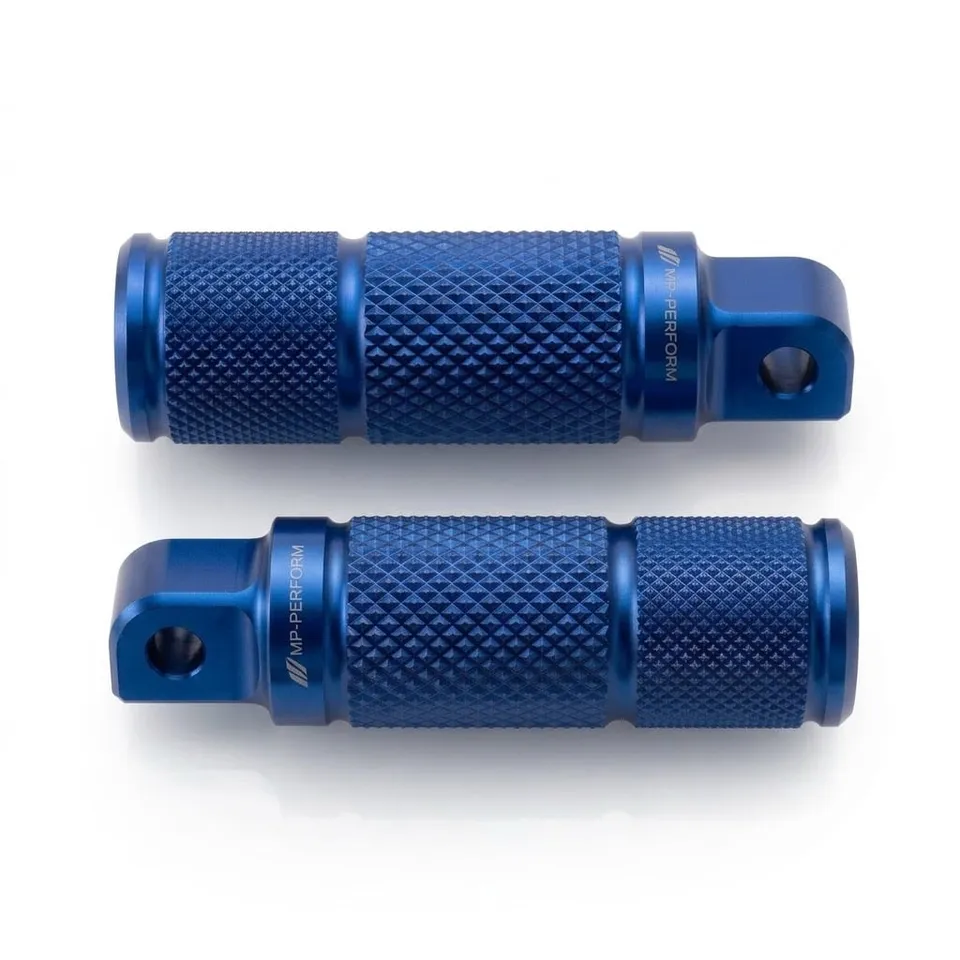 4 lines · 8 pieces
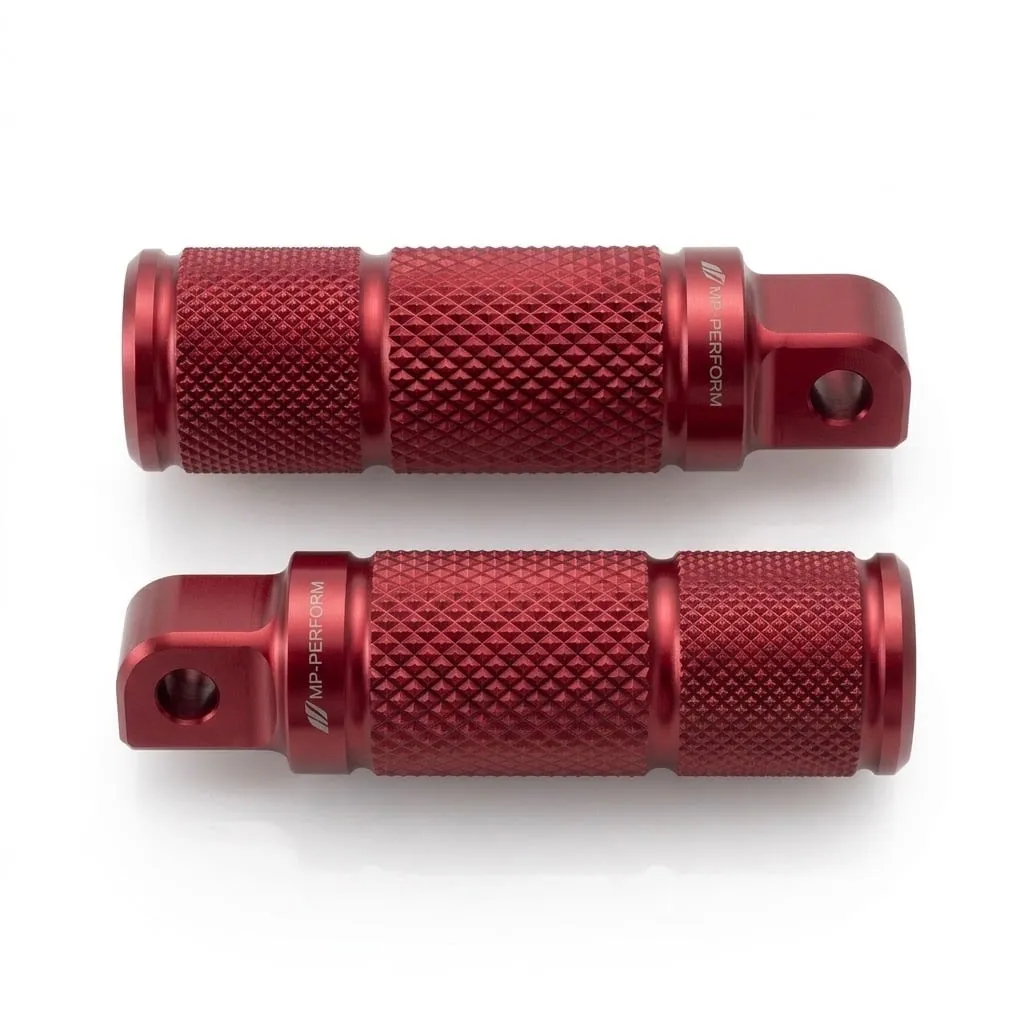
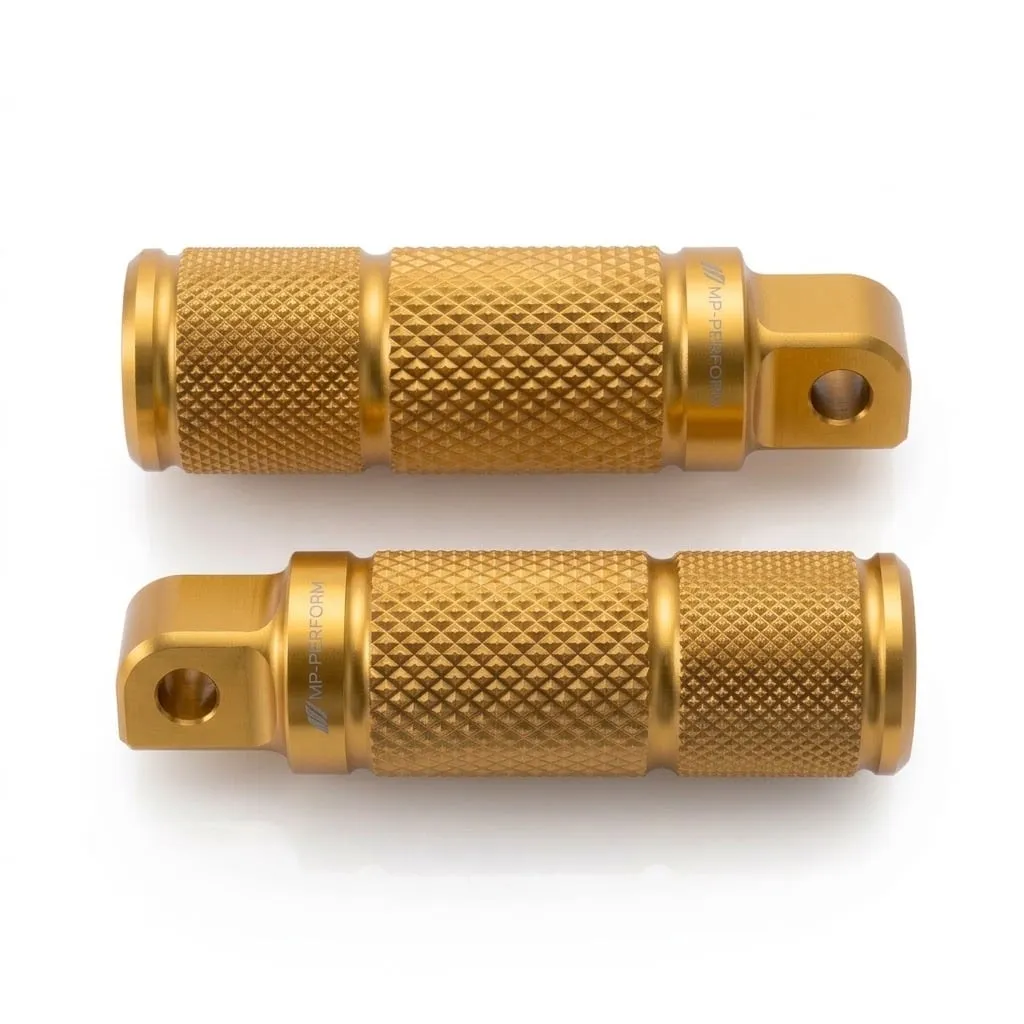
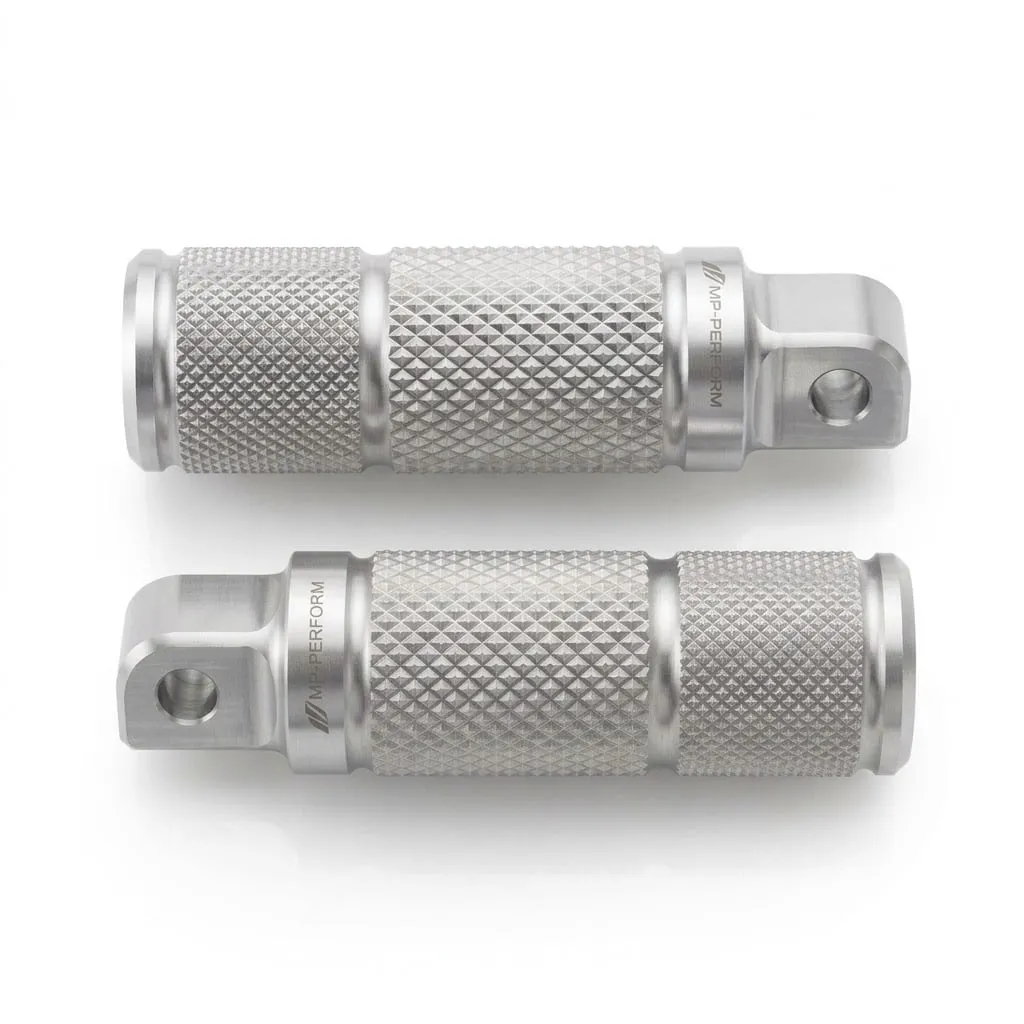
Four steps turn your parts into one order line.
Define the kit once. After that it is quoted, ordered and reordered as a single product.
Assembly
Footpeg kit · KIT-FP-BLU
Two halves of one kit
Order the kit as loose parts or have us assemble it.
The reference is yours to define and reorder. The build is work you add when the kit should arrive as one tested unit.
A switch & socket brand
This brand’s whole range is built from nearly 100 parts.
Every switch, socket and cover plate is an assembly of base components in specific finishes, resolved to one reference on OperGo Engine — over 1.5 billion distinct orderable assemblies.
Read the storyAn assembly, defined
An assembly on OperGo is a kit defined in your account: which parts go in, in which variant, and how many of each — saved as one reference with its own price, lead time and order history. Defining the kit is the platform side of the story; physically building, testing and packing it is the Assembly & Kitting service. You order the reference as a single line, and reorder it to the exact same spec in two clicks.
Everything about an assembly
What a kit holds
Where it sits
An assembly is the second rung of four. Each works on its own.
Questions
Questions about assemblies
Is this the same as the Assembly & Kitting service?
No — and the difference is the point. This page is the system: how a kit is defined as one reference (which parts, which variants, how many). Assembly & Kitting is the service: the physical work of building, testing and packing that kit before it ships. Defining an assembly doesn’t oblige you to have it physically assembled — you can order the kit as grouped parts — and most assemblies use both.
Can each part in an assembly carry its own finish variant?
Yes — that’s what makes it useful. The kit references specific variants, not generic parts: the same assembly definition can exist in a brushed-steel version and a black version, each as its own reference, without re-uploading anything.
How is an assembly quoted?
As one product. Send the parts and the grouping — or a whole BOM — and an engineer prices the assembly as a single line with one lead time, typically within 24–48 hours. You see the kit’s price, not a spreadsheet of per-part quotes you have to reconcile.
How do assemblies relate to the product catalog?
An assembly is the middle rung. Variants make one part many references; an assembly groups those parts into a kit; the product catalog goes one level further and encodes every valid combination of parts and finishes as generated product codes. If you have one kit, an assembly is enough — the catalog is for when the kit itself has thousands of versions.
Can an assembly be held in stock?
Yes. A kit reference can be produced ahead and held as finished stock in our warehouses like any other reference, and shipped on your behalf when you sell — see Stock & Fulfillment.
Is the process behind each part locked once the kit is defined?
No. Each part keeps its own manufacturing process, and none of them is locked in — if volume grows to where a part prices better in another process, an engineer moves it, and the kit reference and how you order it stay exactly the same.
The rungs around it
Get started
Upload your part and get its quote.
Upload one part or your whole BOM.
You get a price and lead time in 24–48 h.
Your parts protected by an NDA.