


Die casting
Die-cast parts, machined and finished in one order
- Thin-walled parts in aluminum, magnesium or Zamak
- Cast close to final shape
- Machined and finished in the same order
- A price per part, in 24–48 hours
Your parts protected by an NDA.
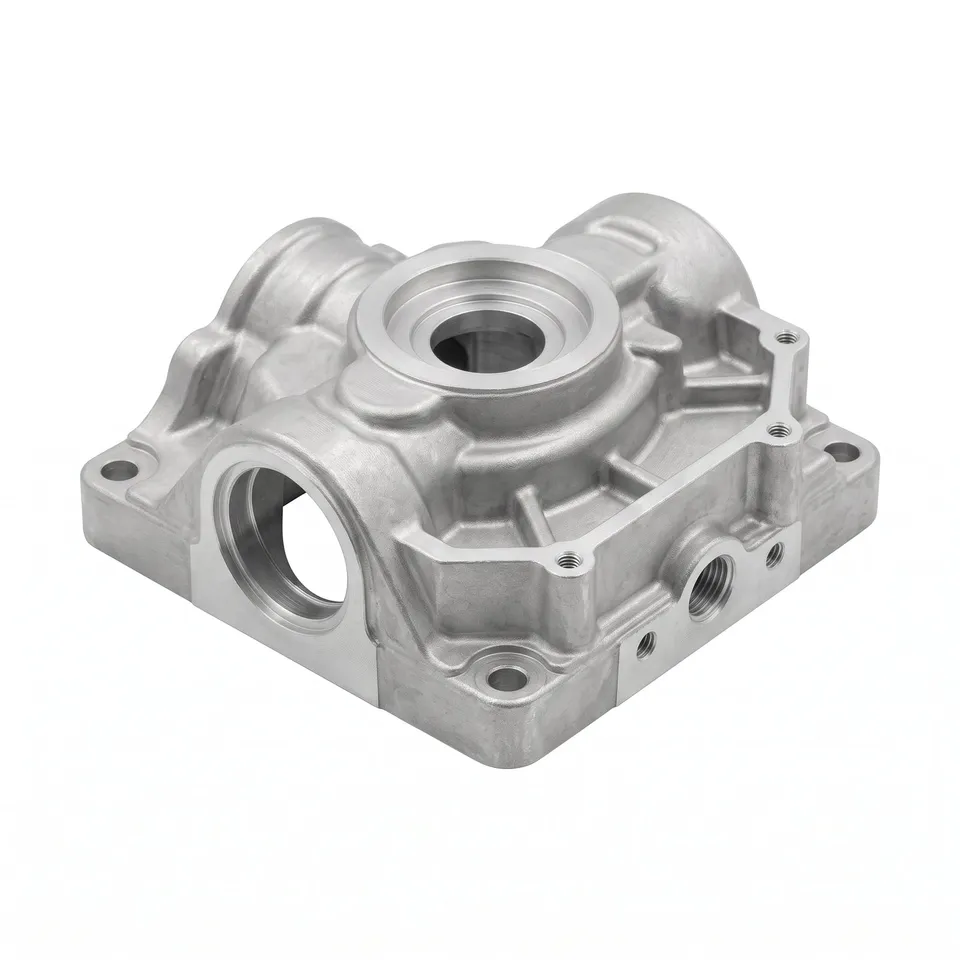 Die cast · aluminumNear-net shape
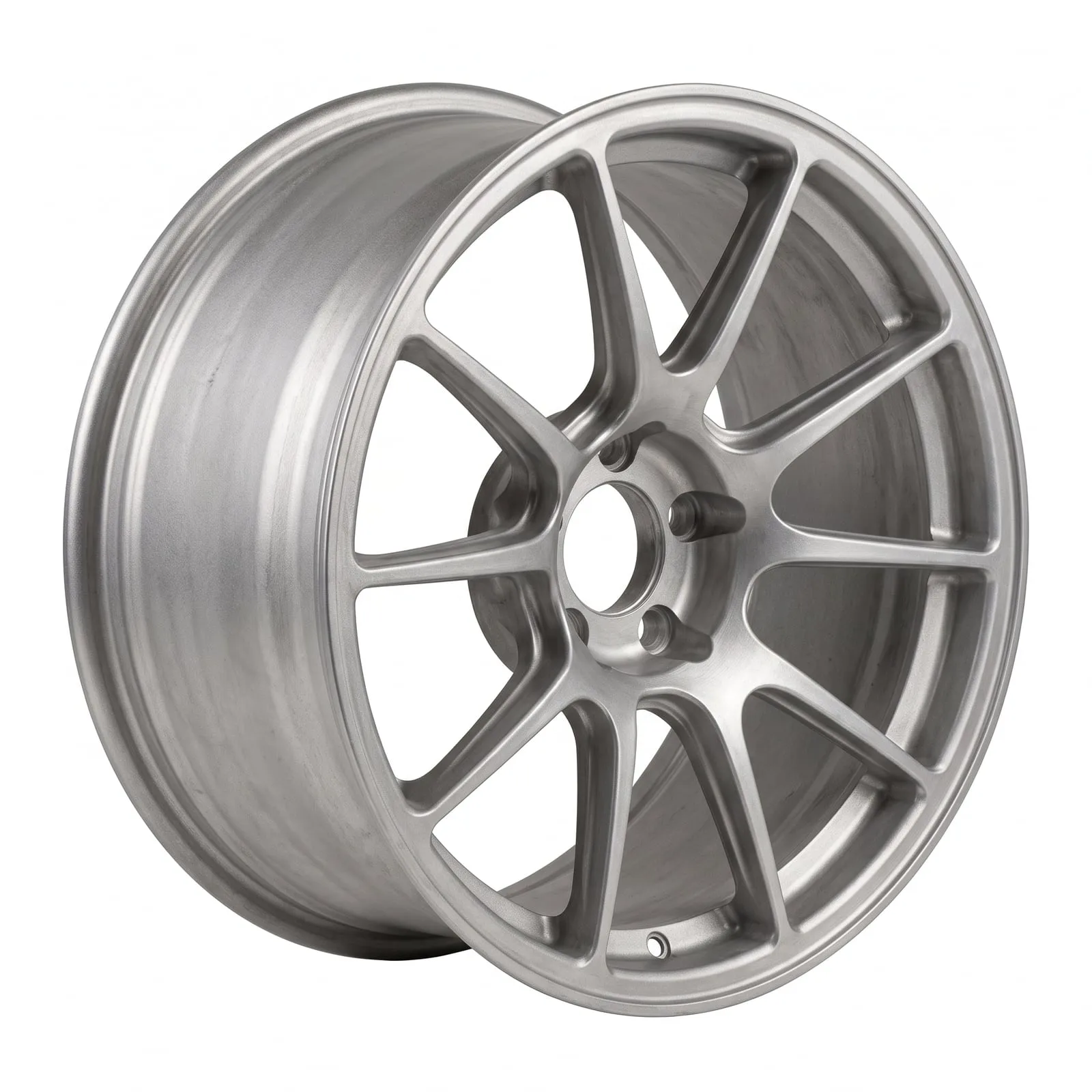 Die cast · magnesium
We match the alloy to your part.
Aluminum
AlSi10Mg · AlSi12 · AlSi9Cu3 · AlMg3
The strength-to-weight standard for thin-walled housings and brackets.
Magnesium
AM60B · AZ91D
The lightest structural metal cast — about a third lighter than aluminum.
Zinc / Zamak
Zamak 3 · Zamak 5 · ZA-8
The finest detail and stability, ready to polish or plate.
One quote
We cast, machine and finish it.
The die, the machining and the finish are specified together, so the part arrives ready to fit.
Finishes
We finish the castings too.
Zamak and aluminum take PVD, plating and powder coat — polished or brushed, specified with the casting.
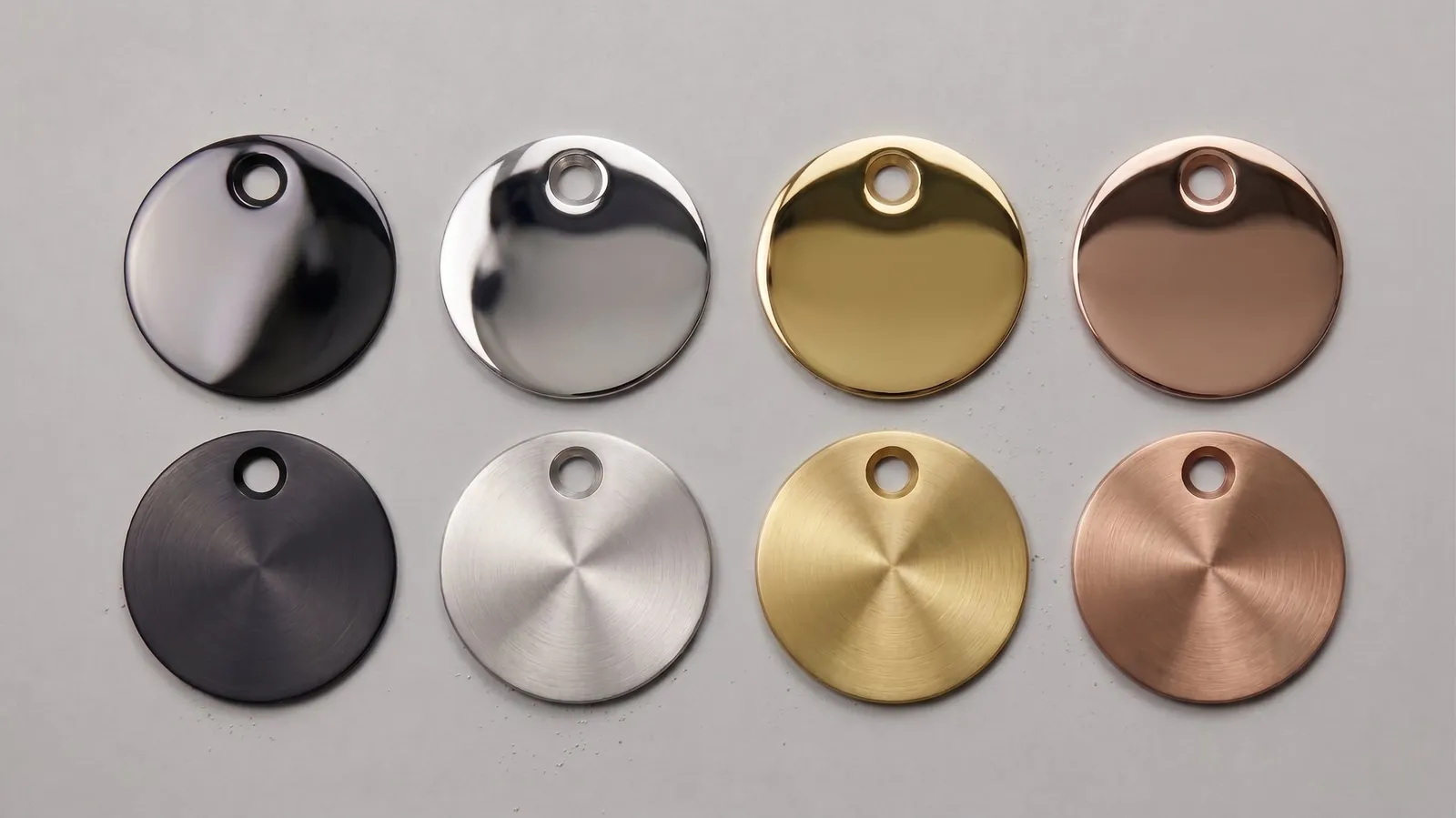 PVD samples · polished and brushed
Die casting, defined
Die casting forces molten aluminum, magnesium or zinc under high pressure into a hardened steel die, making complex, thin-walled metal parts to near-net shape at series volume — housings, brackets and structural parts, without machining each one from solid.
Everything about die casting
Spec sheet
Choosing a process
What to send
What you send, and what you get back.
The 3D model and the PDF drawing are enough.
Your 3D model (STEP) and the 2D PDF drawing
The model gives the geometry; the drawing carries what the model cannot say: tolerances, critical dimensions and the surfaces to machine. Alloy, quantity and finish are chosen when you upload the part.
A price per part, in 24–48 hours
With the unit price and the lead time of every part; the die is shown apart.
If it can’t be cast as drawn, the change it needs
We tell you before anything is made, and requote it.
Questions
Questions about die casting
What metals can you die cast?
Aluminum (AlSi10Mg, AlSi12, AlSi9Cu3, AlMg3), magnesium (AM60B, AZ91D) and zinc/Zamak (Zamak 3, Zamak 5, ZA-8). Aluminum is the strength-to-weight workhorse, magnesium the lightest structural option, and Zamak the one for fine detail and a polishable, plateable finish.
From what quantity does die casting pay off?
It depends on the part and the quantity. A die is a one-time cost shared across every part cast from it, so the more parts you need, the less it weighs on each one; CNC machining has no die cost and tends to win for few parts. Where the crossover sits depends on the part, and we say so in the quote, with the die shown apart from the price per part.
Which files do I need to send?
The 3D model as a STEP file and the 2D drawing as a PDF. The model gives the geometry; the drawing carries what the model cannot say, such as tolerances, critical dimensions and the surfaces to machine. Alloy, quantity and finish are chosen when you upload the part.
How long does the quote take, and is my file confidential?
Between 24 and 48 hours from the moment you upload the files, with a price per part and the lead time of each one. A mutual NDA is in place before you upload any file. If the part can’t be cast as drawn, we tell you the change it needs before anything is made.
Is the die shown apart from the price per part?
Yes. In the quote the die is its own line, so you see what the die costs and what each part costs. The die is paid once; the price per part is the price of every part that comes off it.
Who owns the die, and where does it stay?
The die is built for your part and it is yours; in the quote it appears as its own cost. It stays and runs in our shops and is not shipped, so every run comes from the tool you approved. If you need the terms on moving the die, ask us before you accept the quote.
Can parts be machined and finished in the same order?
Yes. Critical dimensions are machined to tolerance after casting, and finishing (deburring, polishing, plating or painting) goes in the same order, as do assembly and packaging if you need them, so the part leaves ready to use rather than as a raw casting.
Die casting or CNC machining? And what if die casting isn’t right for my part?
For few parts CNC machining is usually the better choice; for runs, die casting, because the die is spread over more parts. We work from a single part to production runs. If die casting is not right for your part, we say so at quoting and requote under the process that fits — sand casting for a large, low-volume part, MIM for a small precise one, CNC machining if the run is short. Asking for a quote commits you to nothing.
Die casting vs. sand casting — which do I need?
Die casting is for thin-walled, complex metal parts at series volume, in a reusable steel die. Sand casting is for larger, lower-volume castings in a cheap, expendable sand mold, and holds looser tolerances. If the part is big or the run is short, sand casting is usually the better call.
Related capabilities
Get started
Upload your part and get its quote.
Upload one part or your whole BOM.
You get a price and lead time in 24–48 h.
Your parts protected by an NDA.