


Sintering & MIM
Small, complex metal parts: MIM and sintering
- Metal injection molding (MIM) or press-and-sinter
- Stainless and steel, small and complex parts
- Little machining after sintering
- A price per part, in 24–48 hours
Your parts protected by an NDA.
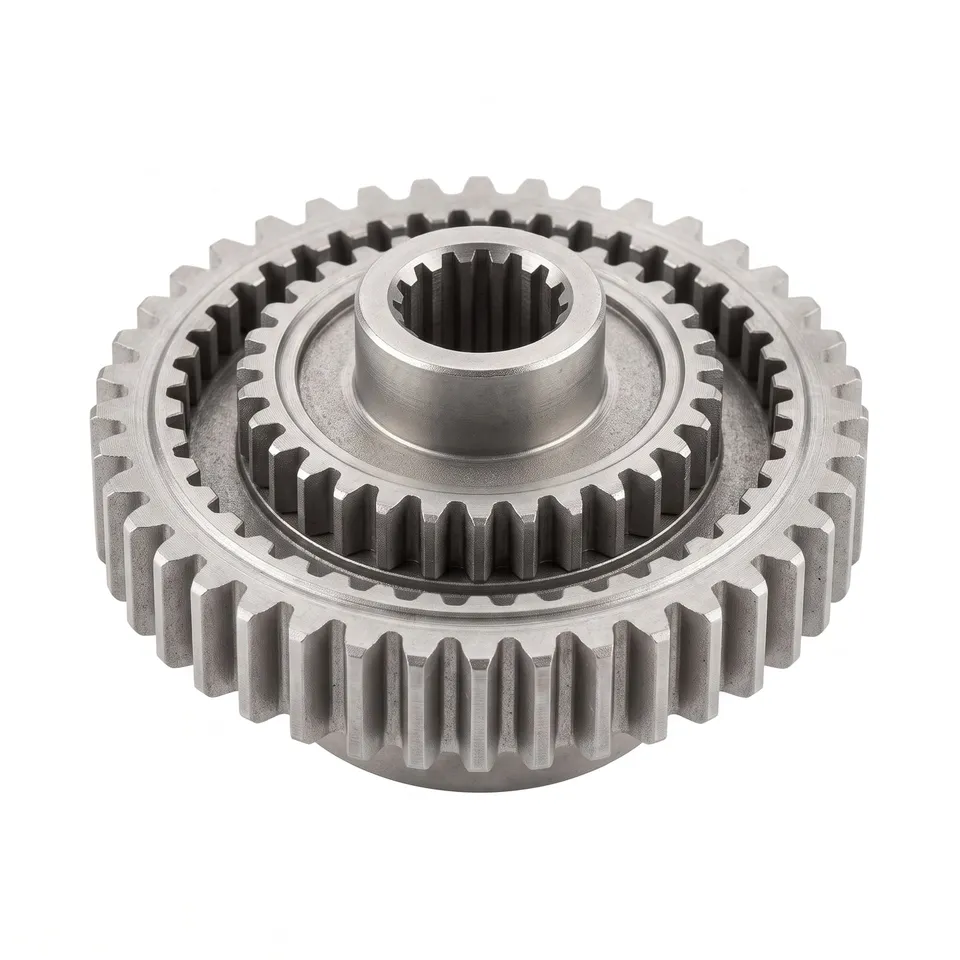 Sintered · stainlessNear net shape
It works best on small, intricate parts.
Gears, sprockets, pinions and levers are costly to machine. Molded or pressed, they come out almost finished.
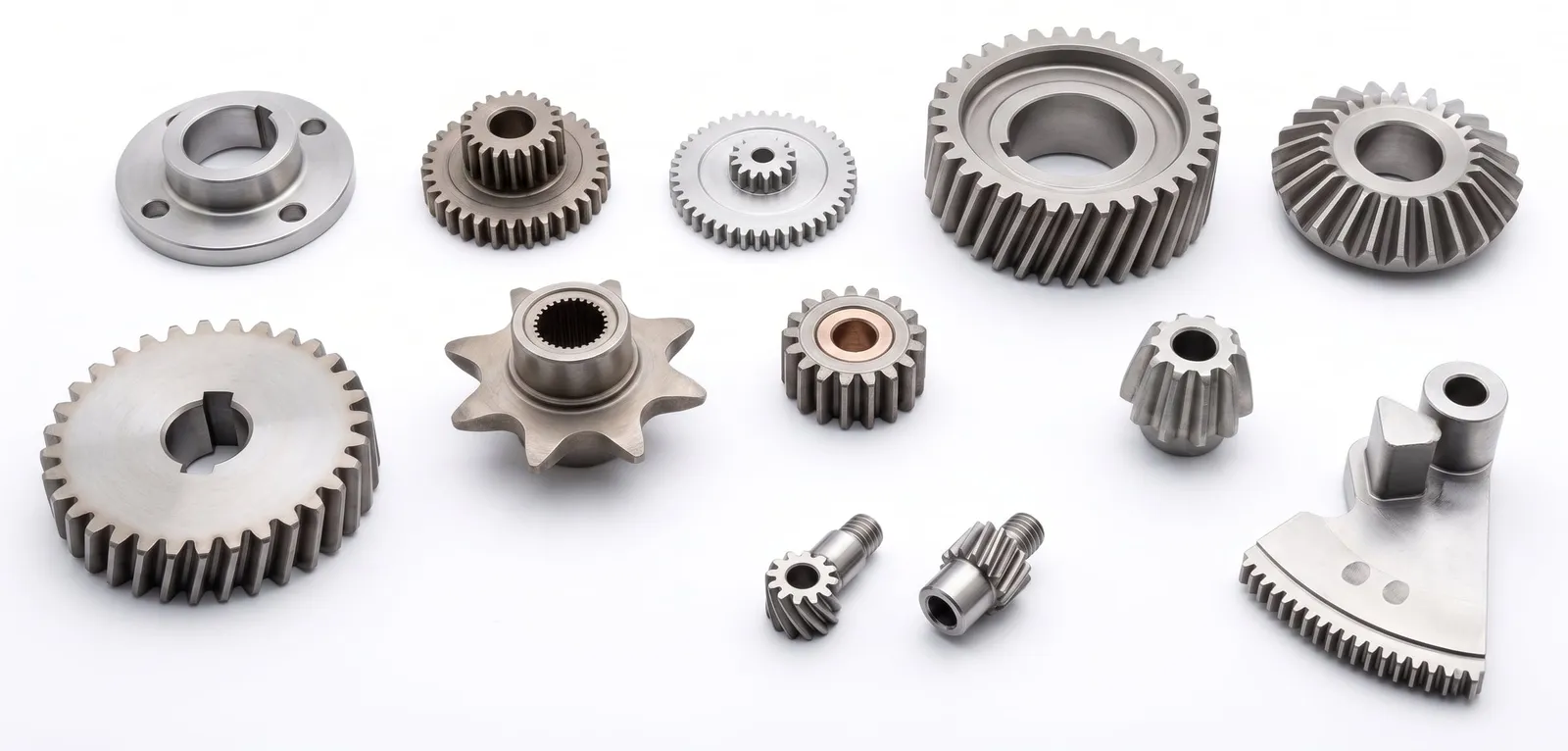 Sintered · steel and stainless
Two routes
We mold or press, depending on the part.
We pick the route from the geometry and the volume. After sintering, we size, heat-treat or machine only what needs it.
Sintering & MIM, defined
Metal Injection Molding (MIM) mixes fine metal powder with a binder, molds it like plastic, then burns the binder out and sinters the part until it is solid metal. Together with press-and-sinter powder metallurgy, it makes small, complex metal parts at volume, near net shape, with almost nothing left to machine.
Everything about sintering & MIM
Spec sheet
Materials
Choosing a process
What to send
What you send, and what you get back.
The 3D model and the PDF drawing are enough.
Your 3D model (STEP) and the 2D PDF drawing
The model gives the shape; the drawing carries what the model cannot say. Material, the density you need, quantity and finish are chosen when you upload the part.
A price per part, in 24–48 hours
With the unit price and the lead time of every part, and the tooling shown apart.
If it can’t be sintered as drawn, the change it needs
We tell you before anything is made, and requote it.
Questions
Questions about sintering & MIM
What's the difference between MIM and press-and-sinter powder metallurgy?
MIM injection-molds a powder-binder feedstock like plastic, so it makes small, highly complex parts with undercuts and fine detail. Press-and-sinter compacts powder in a die, which suits simpler, more symmetric shapes like bushings and gears at very low cost. We pick by the part's geometry and volume.
How strong and dense are sintered parts?
MIM parts reach roughly 96–99% of wrought density, with mechanical properties close to machined metal, and 17-4PH can be heat-treated to high strength. Press-and-sinter parts are deliberately more porous — sometimes useful, as in self-lubricating bushings that hold oil.
What size of part suits MIM?
Small ones — typically under about 100 grams and a few centimeters. That is where molding complex geometry beats machining it. Larger parts are usually better cast or machined, and we steer you there.
Which metals can you run?
Mainly stainless steels — 316L for corrosion resistance and 17-4PH for strength — plus low-alloy and tool steels for structural and wear parts. Others are available depending on the run.
From what quantity does MIM or sintering pay off?
When the run is large enough to spread the cost of the tooling and bring the price per part below machining. Below that point, machining without tooling is usually cheaper. Where the point sits depends on the part: we tell you when we quote it.
What do I need to send?
The 3D model as a STEP file and the 2D drawing as a PDF: the model gives the shape, the drawing what the model cannot say. Material, the density you need, quantity and finish are chosen when you upload the part.
Is the tooling in the price per part?
No: the tooling is shown apart from the price per part. You see the one-time cost of the mold or die separately from the unit price, so you can set it against machining.
Can sintered parts be machined or finished in the same order?
Yes. After sintering we size, heat-treat or machine only what needs it, and finishing and assembly go in the same order.
Sintering or CNC machining for my part?
Small, complex parts in volume usually come out better sintered; larger, simpler or very low-volume parts as machining or casting. If sintering doesn't fit the part as drawn, we tell you before anything is made and requote it. Asking for a quote doesn't commit you to a process.
How long does the quote take, and is it confidential?
You get a price per part in 24–48 hours. A mutual NDA is in place before you upload, so your part and drawing stay confidential.
Related capabilities
Get started
Upload your part and get its quote.
Upload one part or your whole BOM.
You get a price and lead time in 24–48 h.
Your parts protected by an NDA.