


Molds & tooling
Molds and tooling, quoted with the parts they make.
- Break-even calculator for your volume
- Tool and parts in the same order
- The tool is yours; it stays and runs in our shops
- A price per part, in 24–48 hours
Your parts protected by an NDA.
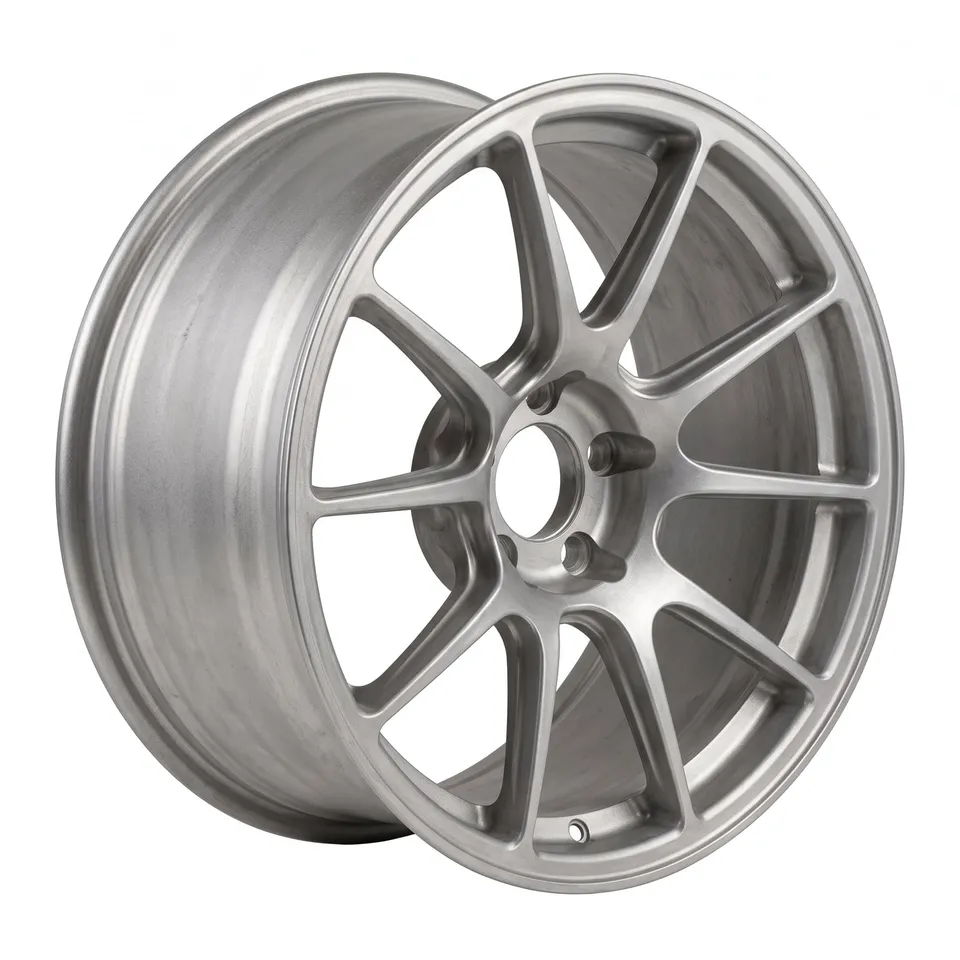 Die cast · from one steel toolThousands, identical
Choose a soft or hard tool.
Both make the same part. Which one pays off depends on how many you will make.
Always included.
Whichever tool it is, it comes with the same checks and the parts it makes.
Four kinds of tool
See what each tool makes.
The tool is yours, but it stays with us and makes your parts on our machines; you receive the parts.
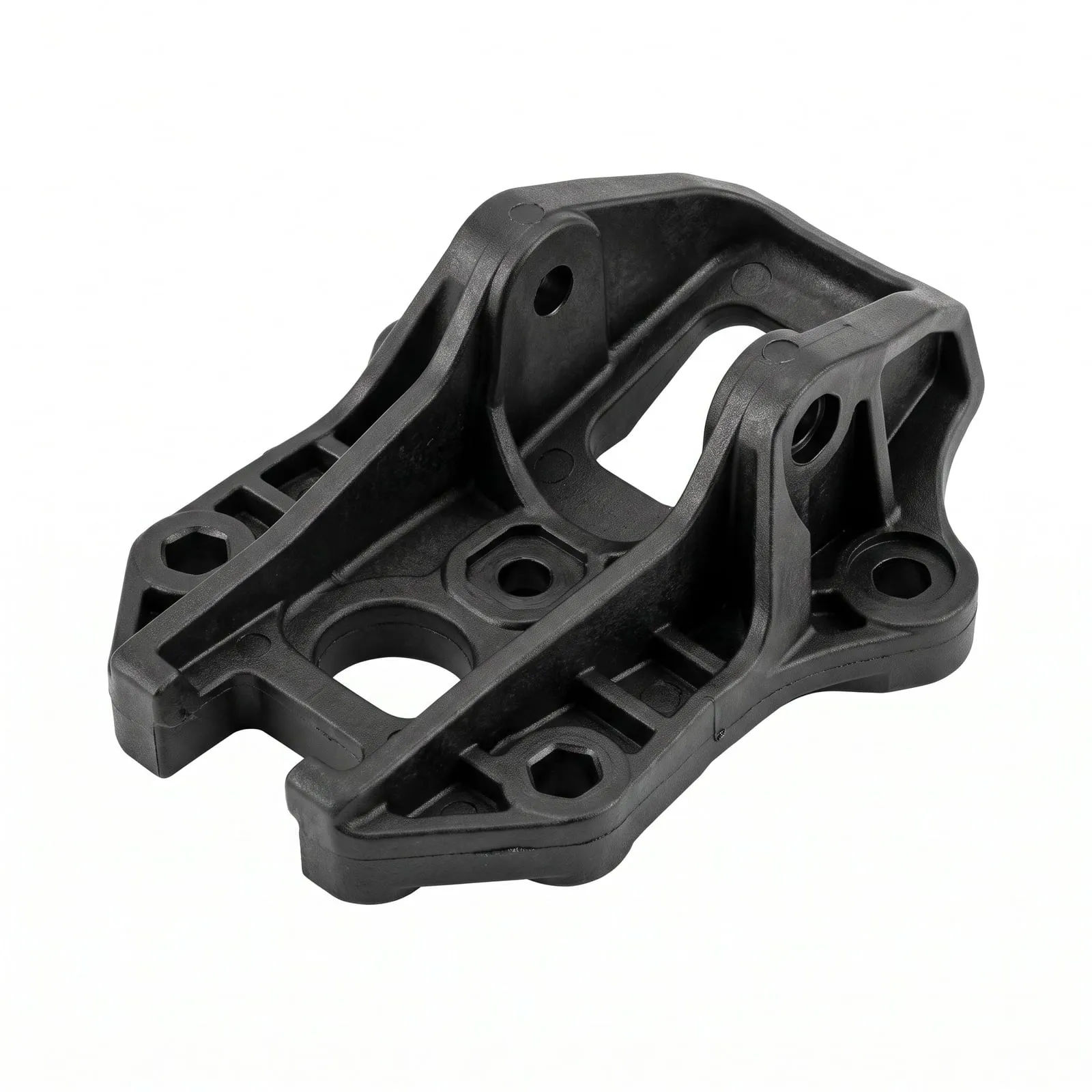 From an injection mold
Injection molds
Aluminum bridge tooling or hardened steel for production plastic parts.
See the process →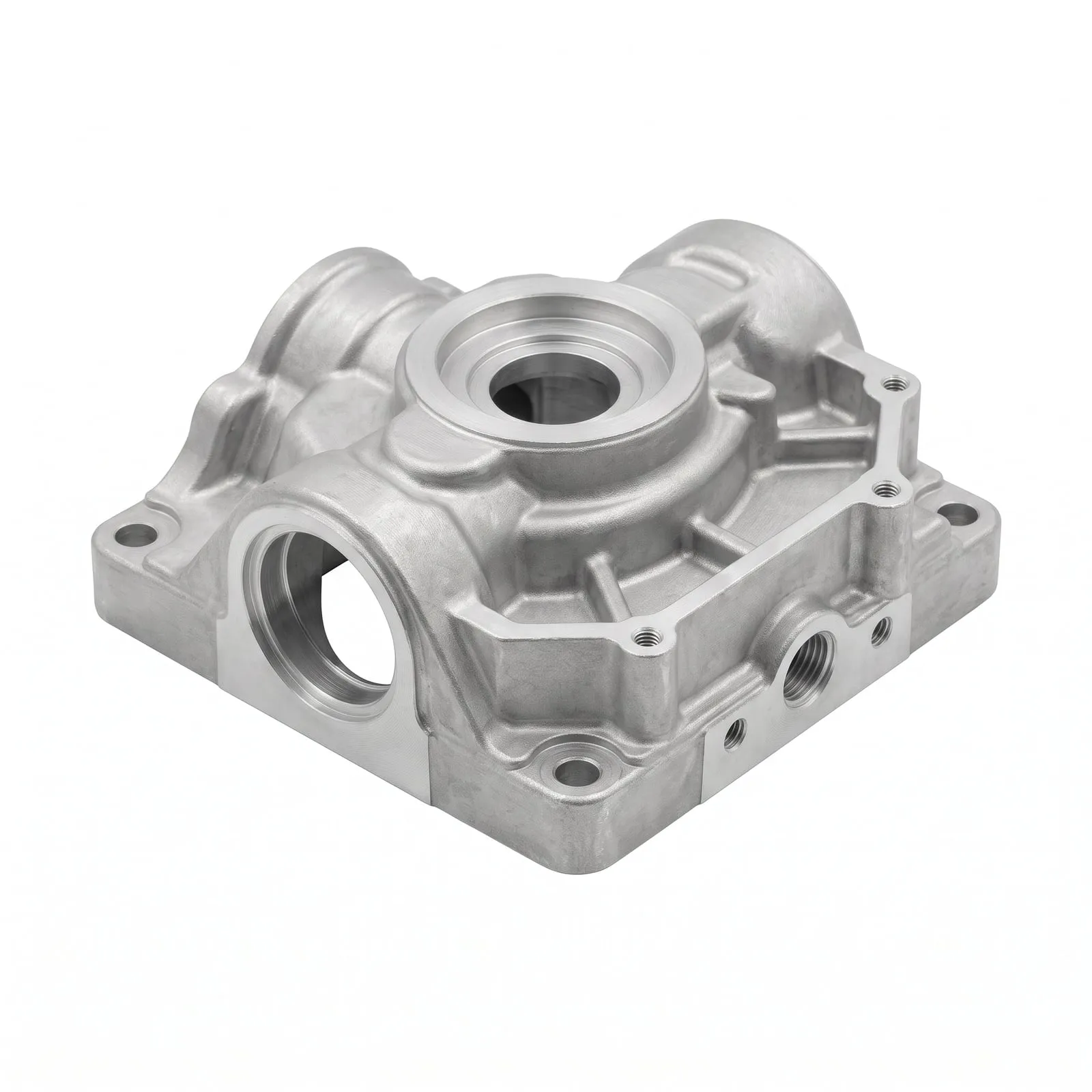 From a die-casting tool
Die-casting tooling
Steel tooling for aluminum, magnesium and zinc alloys, cast near-net.
See the process →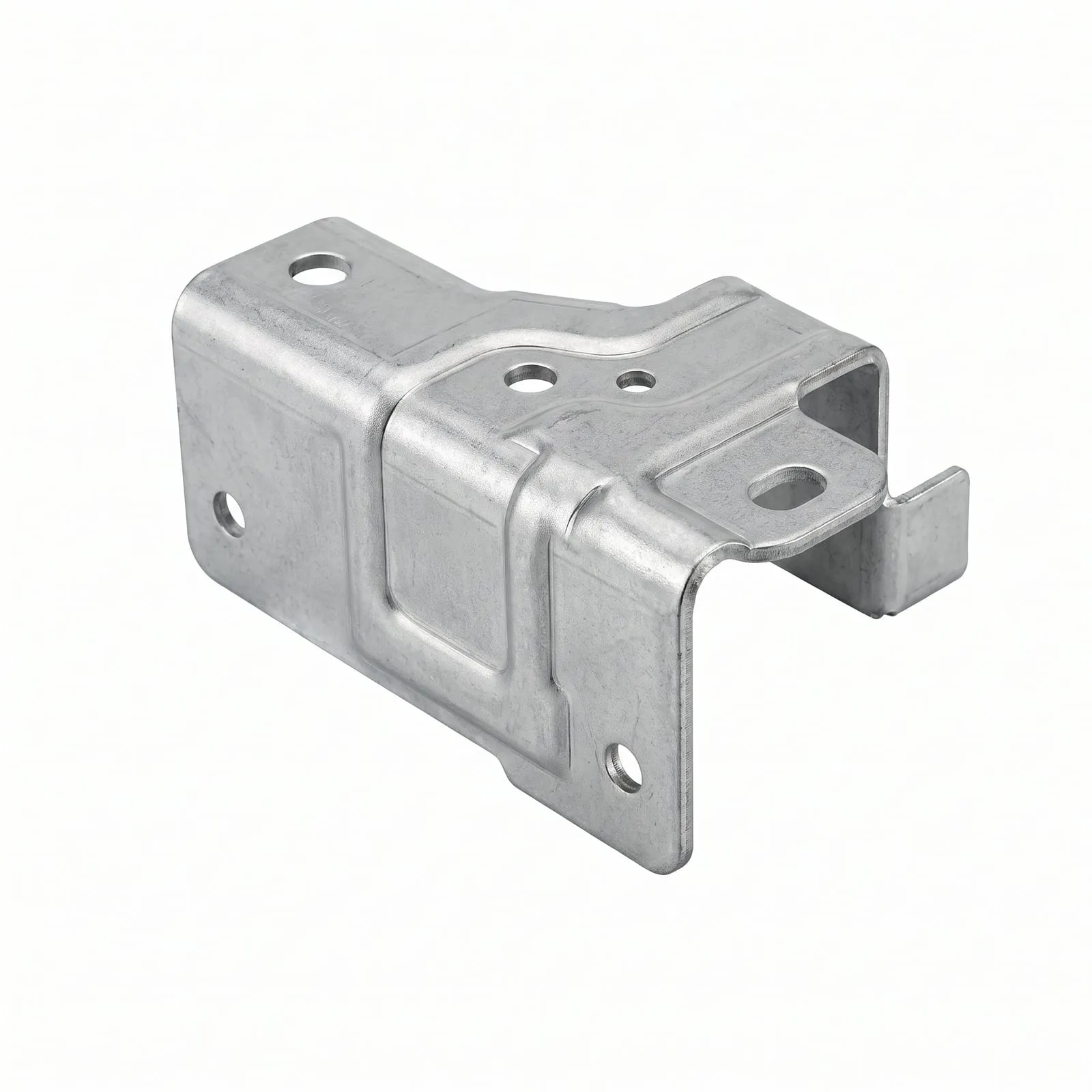 From a progressive die
Progressive stamping dies
Blank, pierce, form and draw in one press stroke — from tens of thousands of units.
See the process →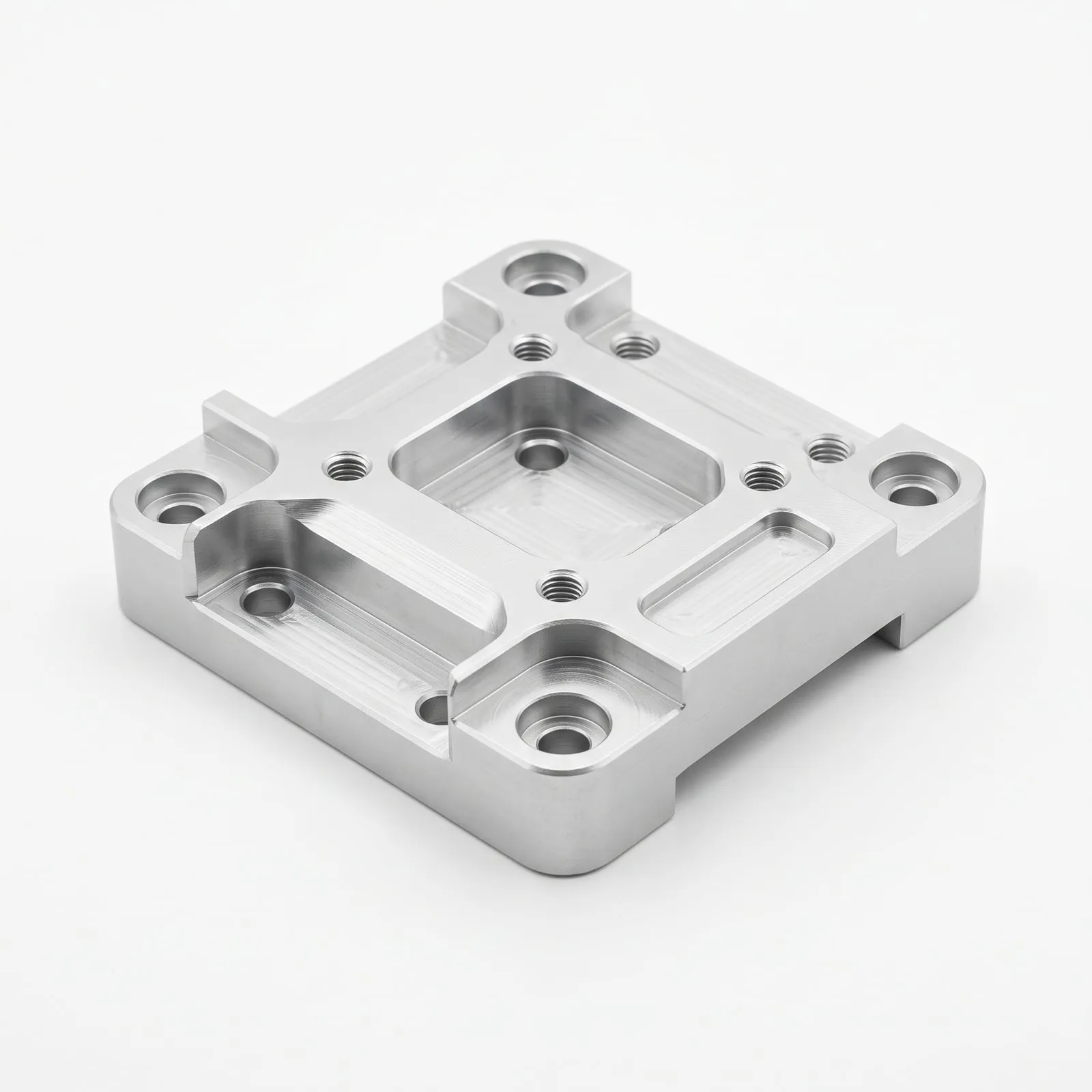 A fixture, machined
Production fixtures
Jigs and fixtures that hold a part for machining, welding or assembly.
See the process →Not sure your volume justifies tooling?
Check when a tool pays off before paying for it.
Interactive · rule of thumb
CNC or injection molding — where's your break-even?
CNC machining likely wins
At 251 units of a moderate part, mold tooling is hard to fully amortize — CNC keeps you off the hook for tooling cost and lead time.
Ballpark based on typical tooling payback — not a quote. The real number depends on your actual geometry, material and finish. Send the part for real numbers →
Tooling, defined
Tooling is the fixed, reusable hardware a process needs to make the same part again and again: a mold for plastic or molten metal, a die that punches and forms sheet in one hit, a fixture that holds a part for machining or welding. Its cost does not change with volume, so it pays for itself only once you order enough parts to spread it thin.
What to send
What you send, and what you get back.
The 3D model and the PDF drawing are enough.
Your 3D model (STEP) and the 2D PDF drawing
The model gives the geometry of the part the tool will make; the drawing carries what the model cannot say: tolerances and critical dimensions. Material, quantity and the volume you expect are chosen when you upload the part.
A price per part, in 24–48 hours
With the unit price and the lead time of every part; the tooling is shown apart from the price per part.
If it can’t be made as drawn, the change it needs
We tell you before anything is made, and requote it.
Everything about tooling
Spec sheet
Choosing
Questions
Questions about tooling
How much does a mold or die cost, and why is it shown apart?
It depends on the process, the size of the part, its geometry, the number of cavities or stations and whether the tool is aluminum or hardened steel. In the quote the tooling is its own line, apart from the price per part, so you see what the tool costs and what each part costs. The tool is a one-time cost: it does not change with volume, so the more parts come off it, the less each one costs.
Who owns the mold or die, and where does it stay?
The tool is built for your part and it is yours; in the quote it appears as its own cost. It stays and runs in our shops and is not shipped, so every run comes from the tool you approved. If you need the terms on moving it, ask us before you accept the quote.
What's the difference between a mold, a die and a fixture?
A mold shapes molten or semi-molten material — plastic in injection molding, metal alloy in die casting — inside a cavity. A stamping die cuts, punches and forms sheet metal between a punch and a die in one hit. A fixture doesn't shape anything — it holds a part in a fixed position so a separate process (machining, welding, inspection) can repeat accurately. All three are 'tooling': fixed, reusable hardware that makes the next hundred, or the next million, parts come out the same as the first.
How much volume do I need before tooling makes sense?
It depends on the process. Progressive stamping dies typically pay for themselves from tens of thousands of units, because the die itself is expensive to cut. Injection and die-casting tooling can pay off at lower volumes — sometimes a few thousand units — because a simpler aluminum or lower-cavitation tool costs much less to build. We run the actual math against your part and volume before recommending steel, and the break-even calculator on this page gives you a first idea.
What's the difference between die casting and injection molding?
Die casting injects molten metal alloy — aluminum, magnesium or zinc — into a steel mold; injection molding does the same with molten plastic resin. Both use a similar tooling concept (a cavity, a cooling cycle, an ejection system), but die casting is for parts that need to be metal, for strength, conductivity or heat dissipation a plastic part can't match.
Can the same tool be used for both prototyping and production?
Usually not directly — a prototype tool (aluminum, lower cavitation) is built to validate the part cheaply and quickly, while a production tool (hardened steel, higher cavitation) is a separate, more expensive build sized for the full run. The part design validated on the prototype tool carries over; the tool itself typically doesn't.
What materials can be die-cast?
Aluminum alloys (AlSi10Mg, AlSi12, AlSi9Cu3 among others), magnesium (AM60B, AZ91D) and zinc/Zamak alloys (ZA-8, Zamak 3, Zamak 5) — picked by the strength, weight and cost your part needs.
What's a progressive die, and why does it need high volume?
A progressive die moves the sheet metal strip through several stations in one press stroke — cutting, piercing and forming the part in stages as it advances. Building a die with that many stations is expensive, which is why it's typically only worth cutting once your order is in the tens of thousands of units; below that, laser cutting and bending usually wins on total cost.
What do I send, how long does the quote take and what does it show?
Send the 3D model as a STEP file and the 2D drawing as a PDF; a mutual NDA is in place before you upload any file. Between 24 and 48 hours later you get a price per part with the lead time of each one, and the tooling shown apart. If the part can’t be made as drawn, we tell you the change it needs before anything is made.
What if tooling isn't the right call for my volume?
Then we say so before any steel is cut. If your volume doesn't justify a mold, a die-casting tool or a stamping die, we'll recommend CNC, sheet metal or 3D printing instead — and revisit tooling later if your volume grows into it.
Related capabilities
Get started
Upload your part and get its quote.
Upload one part or your whole BOM.
You get a price and lead time in 24–48 h.
Your parts protected by an NDA.