


Tube bending
Custom bent tube parts, finished in one order.
- Every corner bent into the tube
- No weld to grind
- Handles, frames, guards and routed lines
- A price per part, in 24–48 hours
Your parts protected by an NDA.
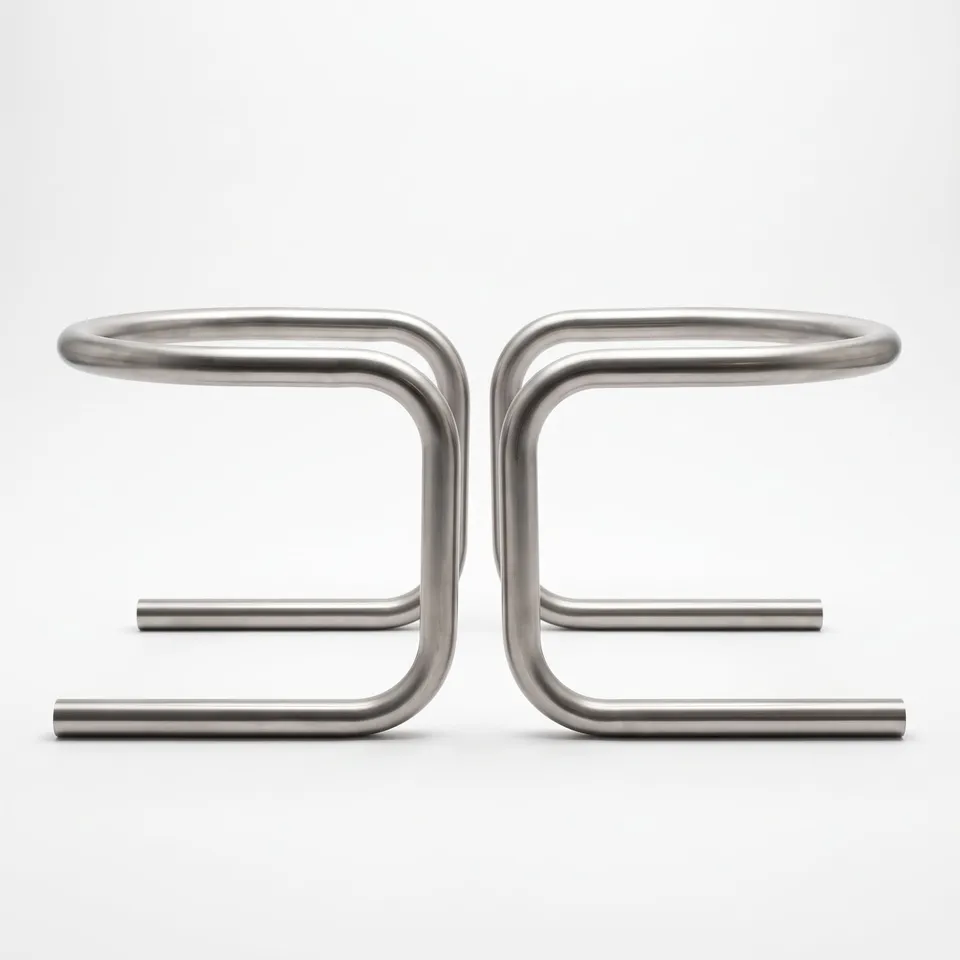 CNC bent · stainless
How a bent part gets made.
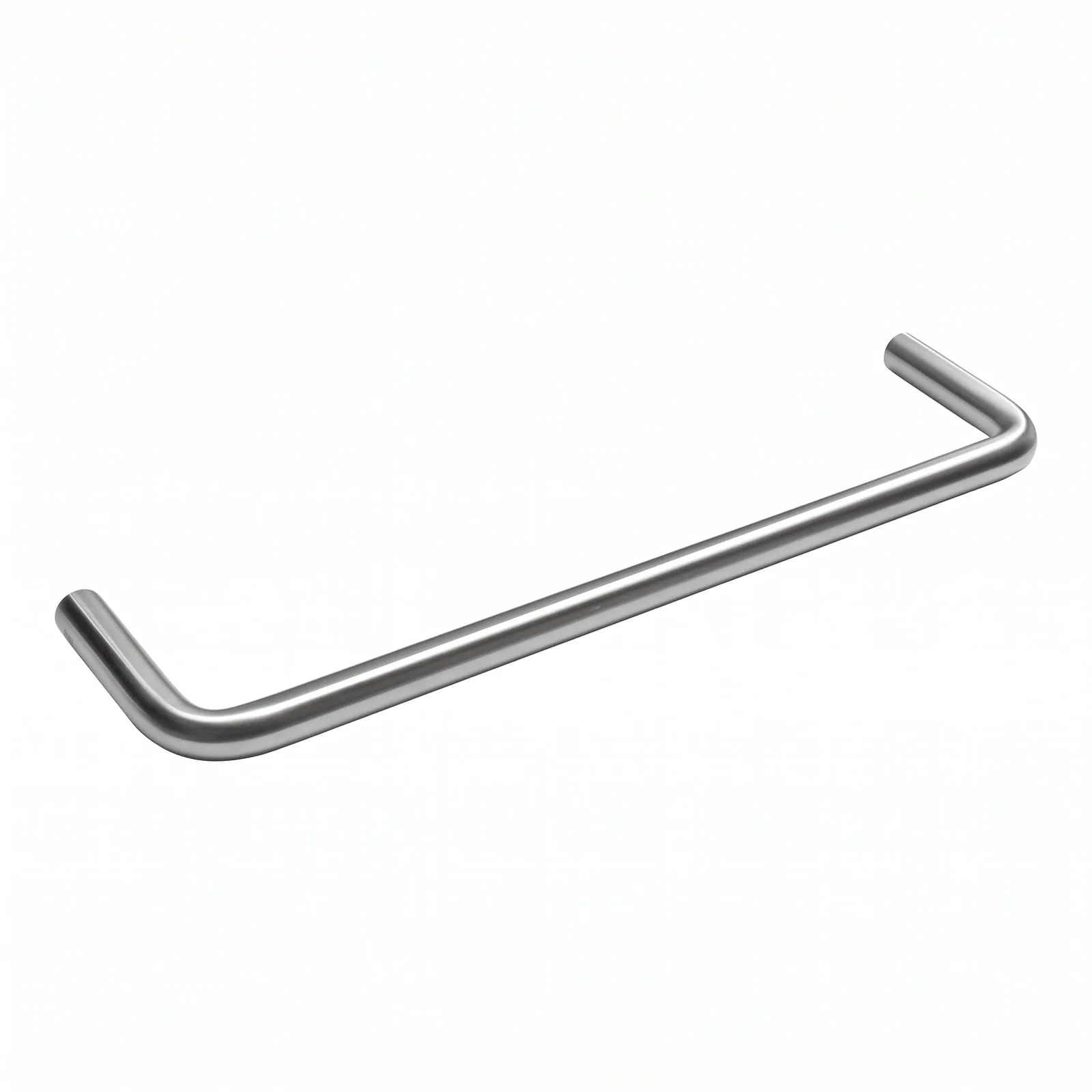 CLR checked · stainless
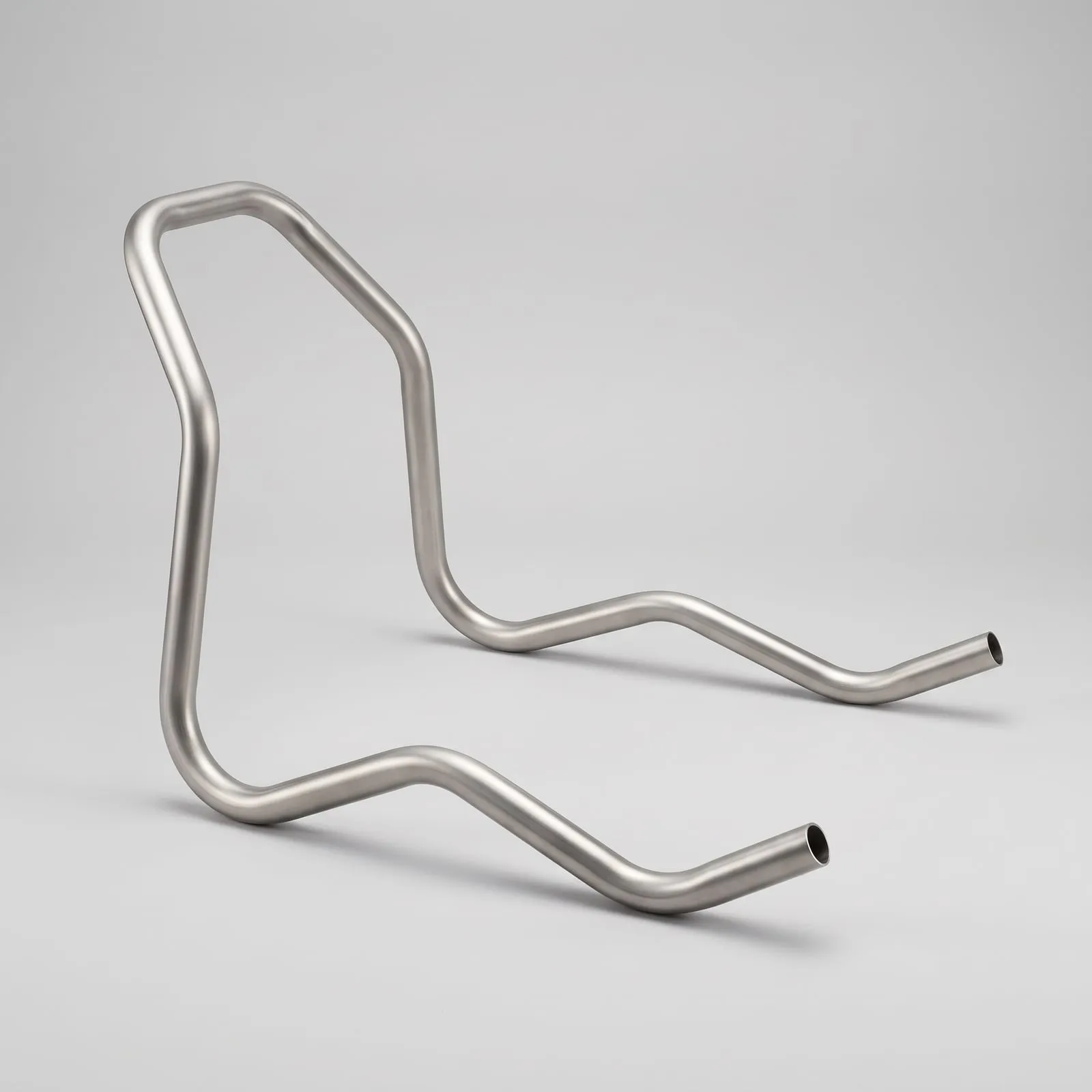
Checked at quoting
We check every bend first.
Before pricing, we check your part against three rules, so a problem bend shows up on the drawing, not on the first sample.
Tube bending, defined
Tube bending draws straight tube around a die on a CNC bender, so a handle, frame, guard or routed line turns its corners in the metal itself. Where a welded frame turns a corner with a cut and a weld, a bent part has no joint to fail and nothing to grind.
Everything about tube bending
Spec sheet
Materials
Choosing a process
What to send
What you send, and what you get back.
The 3D model and the PDF drawing are enough.
Your 3D model (STEP) and the 2D PDF drawing
The model gives the geometry; the drawing carries what the model cannot say: tube size and wall, material, bend radii and quantity.
A price per part, in 24–48 hours
With the unit price and the lead time of every part, with its finishing and assembly in the same order.
If it can’t be bent as drawn, the change it needs
We tell you before anything is made, and requote.
Questions
Questions about tube bending
What's the minimum bend radius for a tube?
The working rule is a centerline radius (CLR) of at least 2× the tube diameter — tighter is possible with a mandrel and the right wall thickness, but it costs more and not every material survives it. Your bend is checked against the actual die library at quoting, so the radius on the quote is one a real die can form.
What drives the cost of a bent tube part?
The number of bends, the length of the part, the tube size and wall, the material and the quantity. Laser-cut features, welding and finishing add to the price per part, and one radius for every bend keeps the tooling and the setup, and so the cost, down.
What tolerance do you hold on a bend?
The bend angle is held to ±0.5°, with springback compensated per material and batch on the CNC bender. Any other tolerance on the drawing is confirmed against the bender at quoting.
How do you keep the tube from wrinkling or collapsing?
With tooling, not luck: an internal mandrel supports the bore through the bend and a wiper die backs up the inside wall where wrinkles start. Whether they’re needed depends on the ratio of diameter to wall thickness and how tight the radius is: we specify them when the geometry calls for it, and price them in.
Can you bend square or rectangular tube?
Yes — square and rectangular sections bend on the same rotary-draw benders with section-specific dies to control twist and keep the faces flat. The practical size range is smaller than for round tube, and tight radii are harder on the outer face, so square-tube bends get checked against the die library case by case.
Can 6061-T6 or 6082-T6 aluminum tube be bent?
Not reliably at tight radii — the T6 temper cracks on the outside of the bend. The standard moves are a larger CLR, a softer temper bent then aged, or switching the part to 6060/6063, which bend cleanly. We flag this at quoting rather than letting it fail on the first article.
Do you also cut, drill, weld and finish the bent parts?
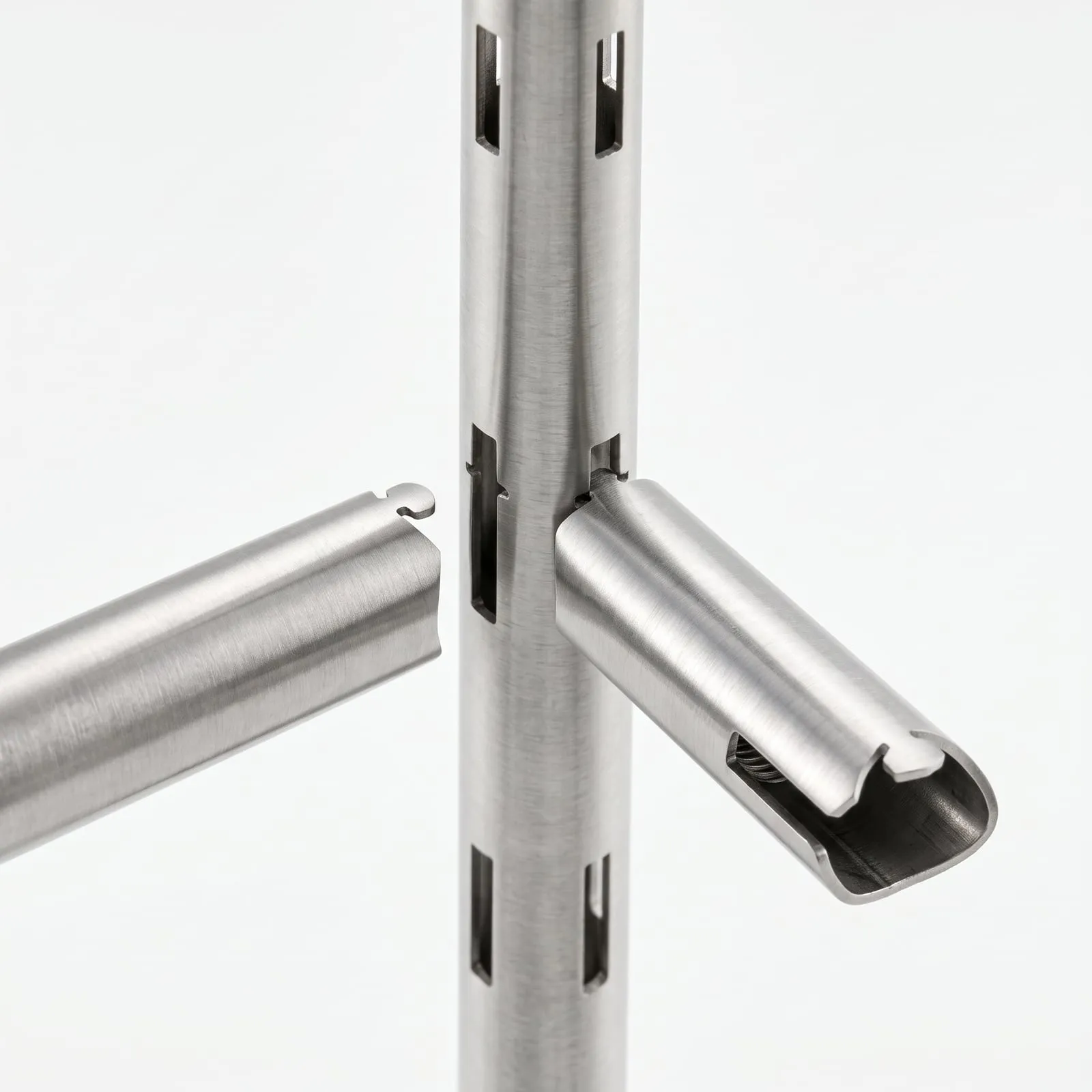
Yes. Cut to length, holes, notches, end-forming, welding to other members and finishing (powder coat, polish) are specified against the same drawing and priced in the same order. A bent tube that needs laser-cut features or a welded bracket doesn’t become a second vendor’s problem.
What files do I need to send?
A STEP file of the part plus a 2D PDF drawing with the tube size and wall, the material, the bend radii and the quantity. We extract the bender’s data — bend angles, rotations and straight lengths — from your STEP geometry, so you don’t need to supply a bend table.
How long does a quote take?
A price per part comes back within 24–48 hours of uploading your STEP file and 2D PDF drawing, with the lead time of each part.
What's the minimum order quantity?
There's no fixed minimum — price is what naturally limits a very small order, not a policy. One bent handle is quoted the same way a batch of a thousand frame members is.
Related capabilities
Get started
Upload your part and get its quote.
Upload one part or your whole BOM.
You get a price and lead time in 24–48 h.
Your parts protected by an NDA.