


Finishing & coating
Surface finishing, ordered with the part.
- PVD, anodizing, plating and powder coat
- Blasting and marking
- The finish quoted with the part
- A price per part, in 24–48 hours
Your parts protected by an NDA.
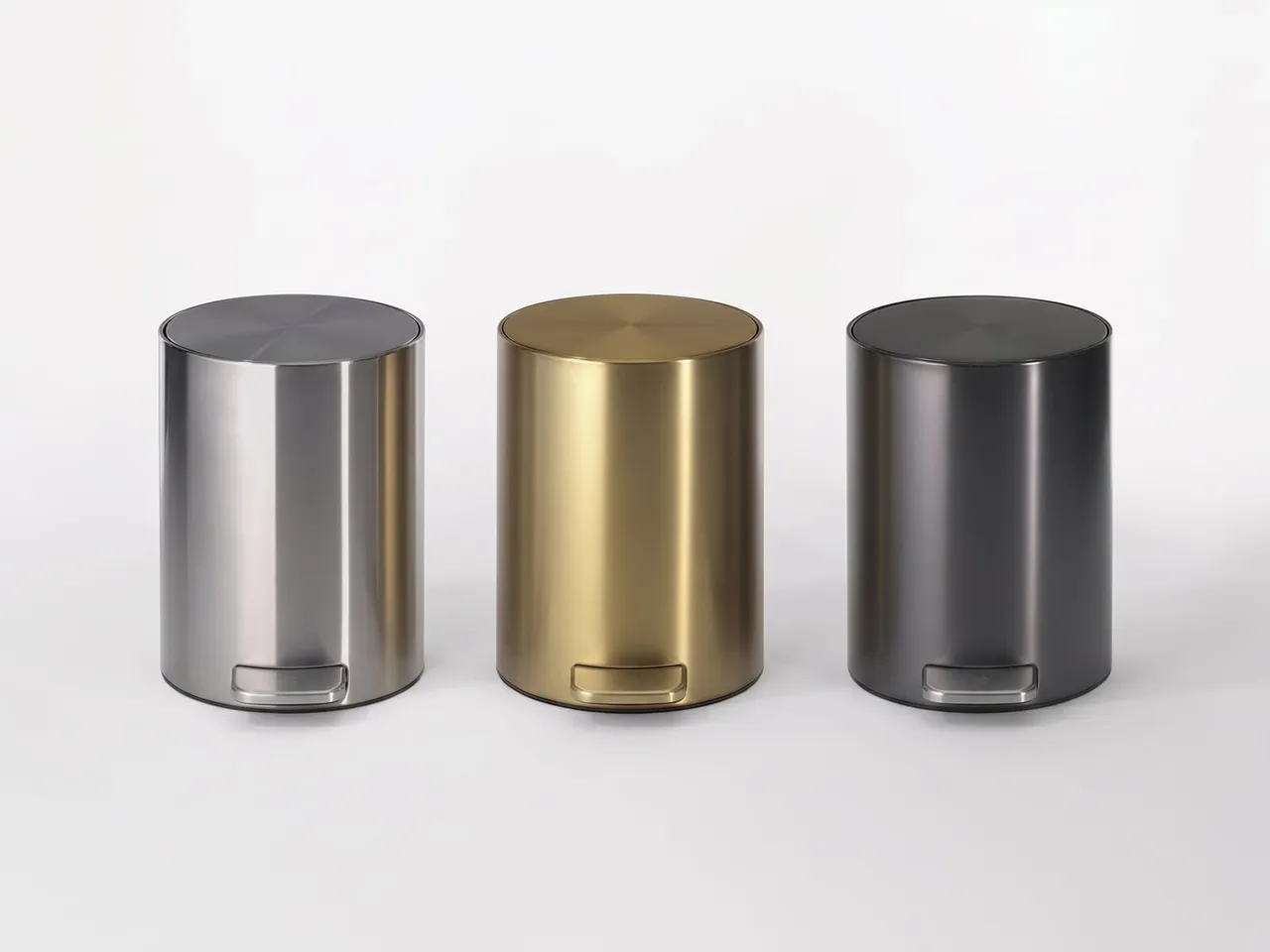 PVD · anti-fingerprintSteel · gold · gunmetal
A new finish gives you a new line.
The finish decides what a customer sees first — and it is one field on the same quote.
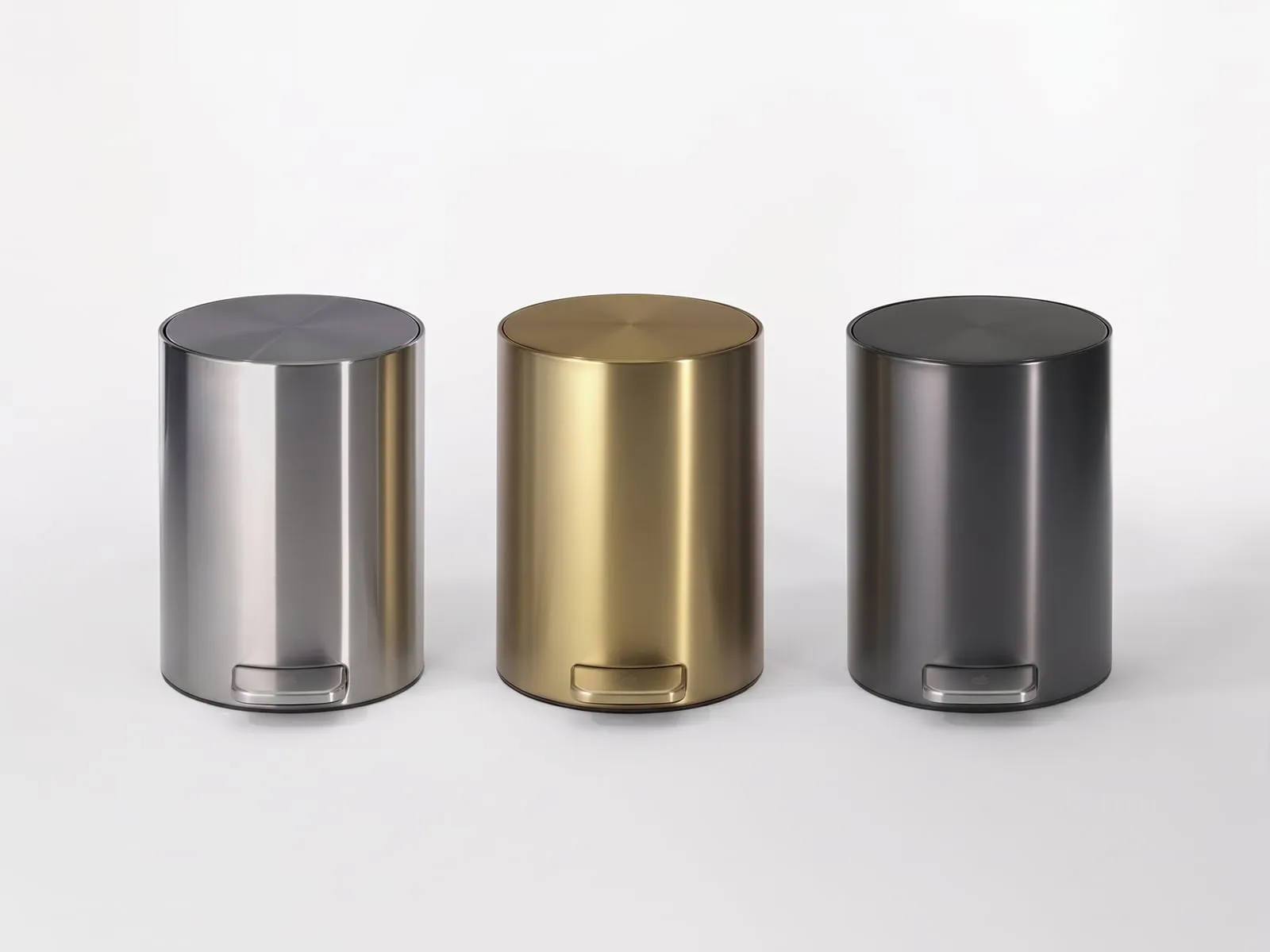 Same product · PVD + anti-fingerprint
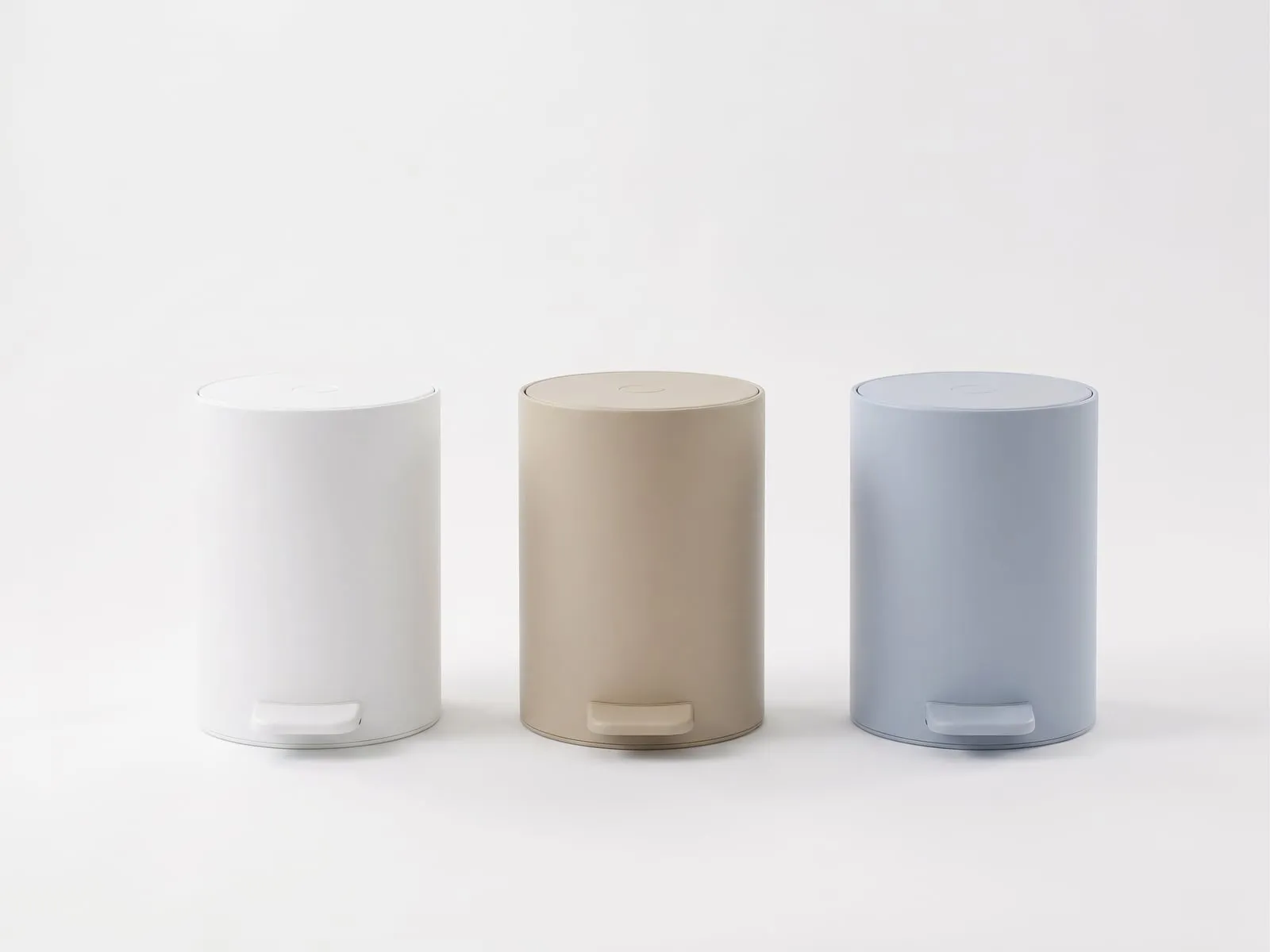
PVD + anti-fingerprint
Steel · gold · gunmetal
A thin, hard metallic layer — the look of polished metal that keeps its shine and shrugs off prints.
We handle every finish for you.
There are six families, and each finish is specified by color, texture and coverage at quoting.
Textures
Compare the finishes.
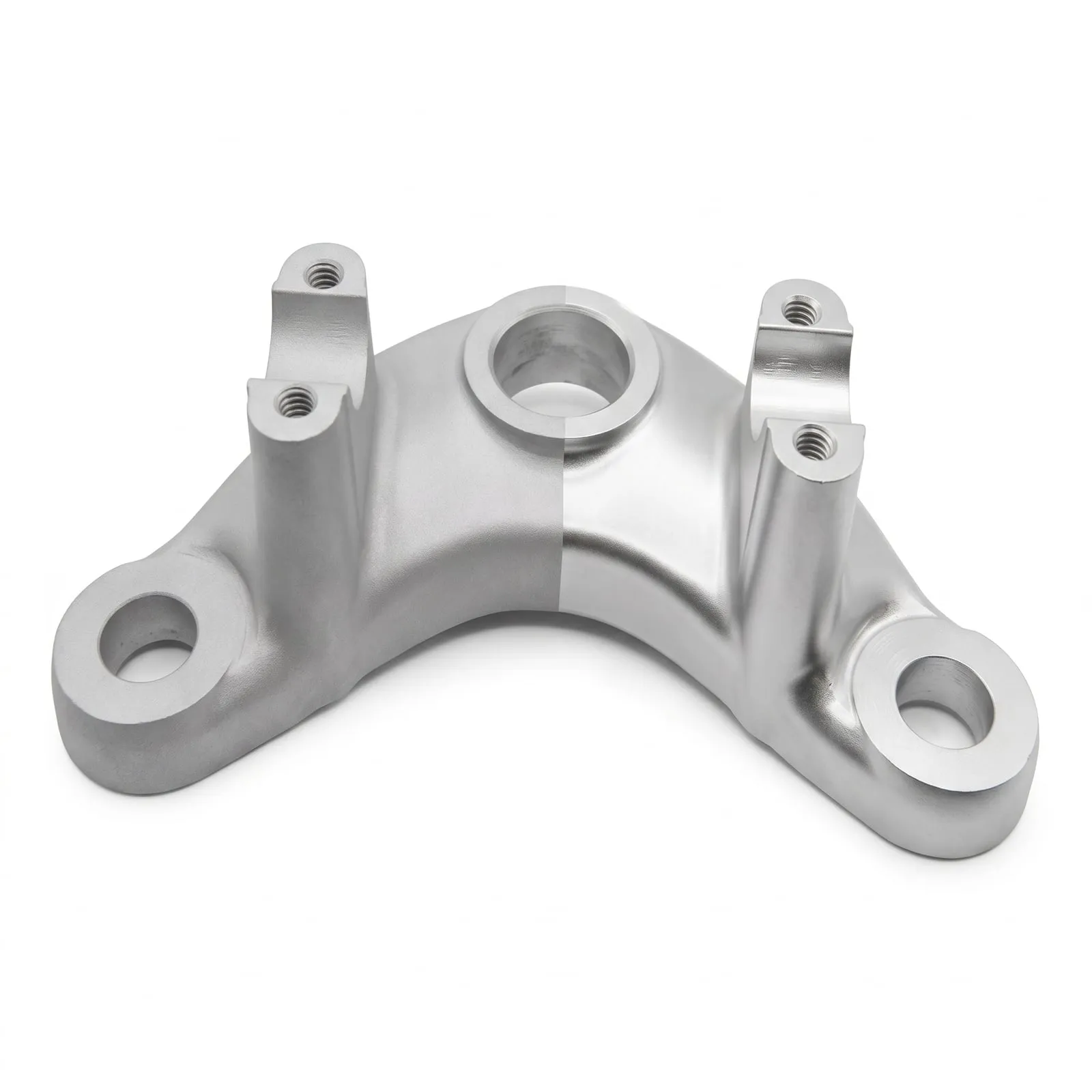
Two photos show one surface finished two ways; the third shows a coat kept off the faces that must fit.
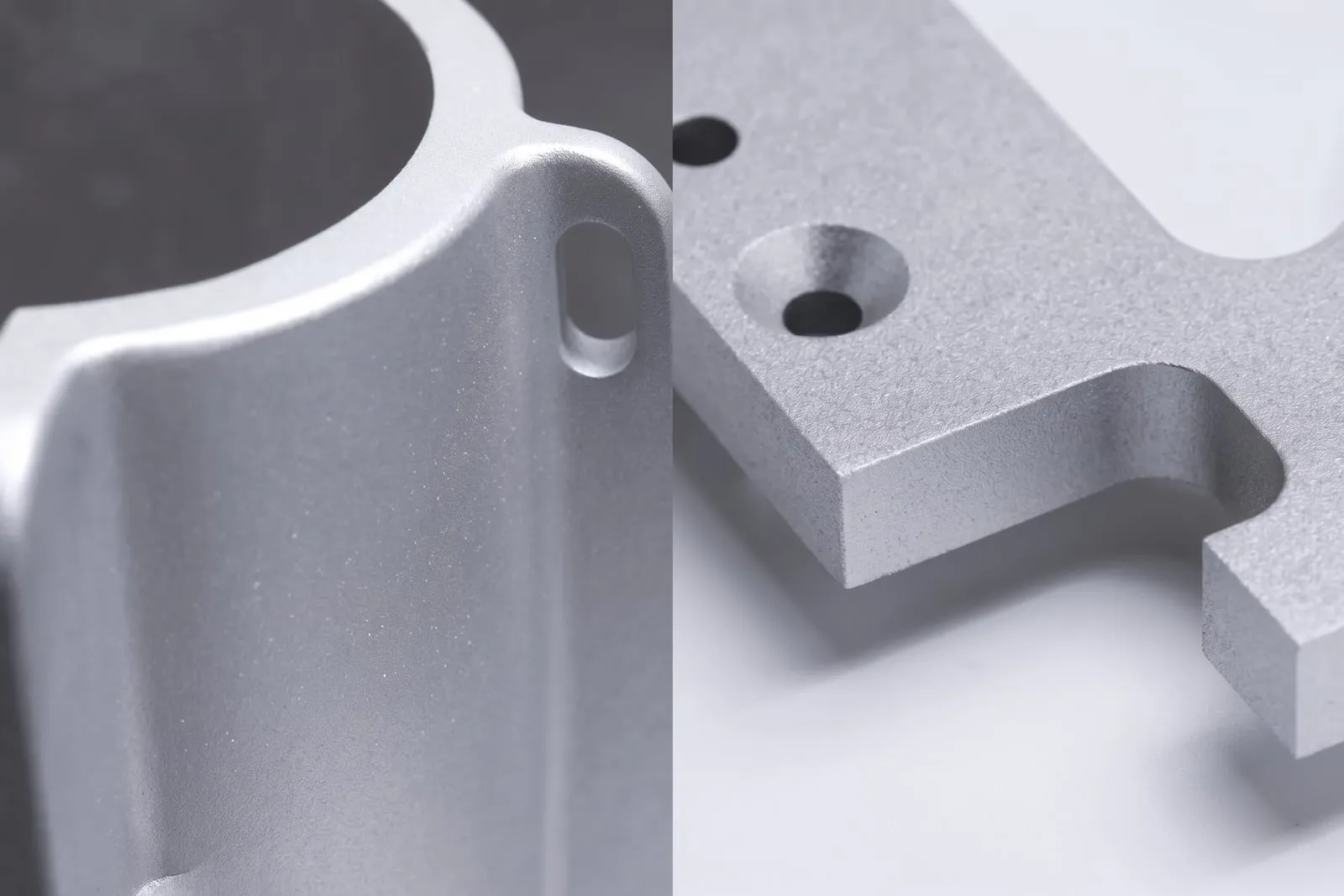 Bead | sand
Bead or sand blast
Bead leaves a fine satin; sand a coarser, grippier matte.
 Dry | wet
Dry or wet blast
Wet blasting gives a smoother, brighter finish on the same part.
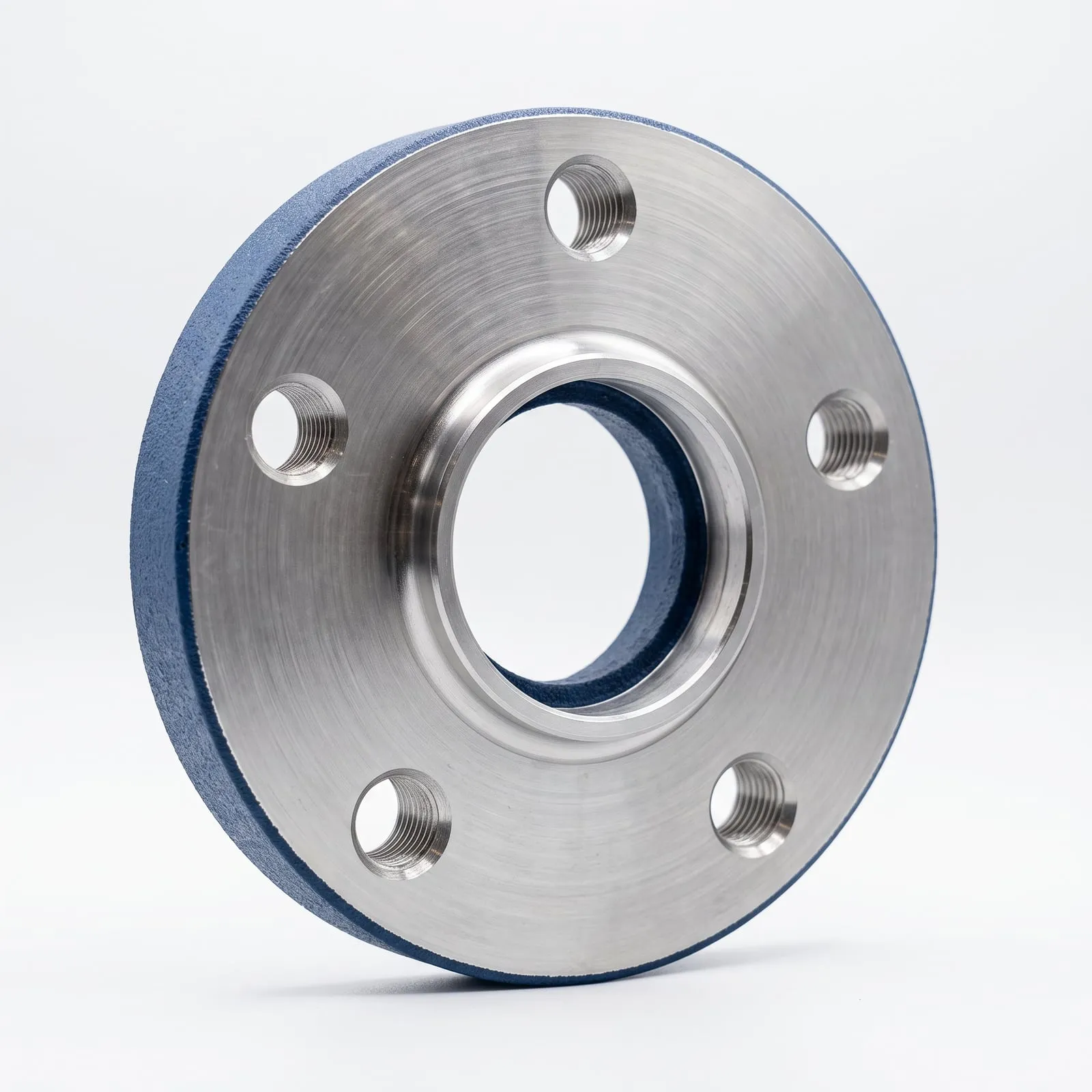 Masked where it mates
Coated, except where it fits
Mating faces and threads masked, so the coat never touches a tolerance.
Finishing & coating, defined
Finishing covers everything a part gets after it is machined, molded, cut or bent: a decorative or protective layer, a conversion or plated coating, a surface texture or a permanent mark. It is specified with the part’s process and material, so the finish is priced and scheduled right the first time.
Everything about finishing
Spec sheet
Choosing a finish
What to send
What you send, and what you get back.
The 3D model and the PDF drawing are enough.
Your 3D model (STEP) and the 2D PDF drawing
The model gives the geometry; the drawing carries what the model cannot say: the finish and color, the visible face, and the threads to mask.
A price per part, in 24–48 hours
With the unit price and the lead time of every part, finish included.
If it can’t be done as drawn, the change it needs
We tell you before anything is made, and requote it.
Questions
Questions about finishing
What's the difference between anodizing and powder coating, and which fits my part?
Anodizing converts the surface of the aluminum itself into a hard oxide layer through an electrochemical process — thin, wear-resistant, and aluminum-only. Powder coating sprays and bakes on an added layer of colored polymer, works on steel and aluminum alike, and comes in any RAL in matte, satin, gloss or textured, at the cost of being less abrasion-resistant than anodizing. Anodizing if the part is aluminum and has to keep its tolerances; powder coat if it is another metal or needs a specific RAL.
What are the electrolytic decorative finishes — old gold, gun metal, brushed copper?
They're electrolytic bath finishes, similar in process to chrome plating, that deposit a thin decorative metallic layer in a specific tone — old gold, brushed gold, gun metal, brushed copper, satin copper and other sector-standard options. They're specified like any other finish, against the part's drawing, at quoting.
Do you do black oxide, chromate (chem-film) or electroless nickel plating?
Yes. Black oxide gives steel and copper alloys corrosion resistance and a dark matte look; chromate conversion (chem-film / Alodine) protects aluminum while keeping it electrically conductive and paint-ready; electroless nickel plating lays down a uniform, corrosion-resistant nickel layer that coats even complex internal geometry evenly, on steel, aluminum or stainless. Each is specified against the part's drawing at quoting, like any other finish.
Can you laser-mark a logo or serial number onto a part?
Yes — laser marking engraves a permanent mark directly into the surface, unlike a printed label or a sticker. It's commonly specified alongside another finish (marking after anodizing or powder coating, for example) so the mark survives whatever the part goes through afterward.
Does every finish work on every material?
No — anodizing is aluminum-only, since it converts the aluminum's own surface rather than adding a layer. PVD, chrome, powder coat, paint and sandblasting work across a broader range of metals and plastics. We flag the fit at quoting, not after the part's already been made.
Does a finish change the tolerances of the part?
A coating adds thickness, so it is planned with the part and not after it. Anodizing grows into the aluminum and keeps its tolerances; powder coat sits on top and adds its own layer. Mating faces and threads can be masked so the coat never touches a tolerance: mark them on the drawing.
Can you mask threads and mating faces?
Yes. Mating faces and threads are masked so the coat doesn't touch them. Mark them on the 2D drawing and we plan the masking and the allowance for the coat with the part.
Can finishing be part of the same order as machining or molding?
Yes — that's the default, not an add-on. Specifying the finish with the part at quoting means masking, surface prep and dimensional allowance get planned into the drawing from the start, instead of discovered as a rework after the part already exists.
What do I send to get a finish quoted?
The 3D model as a STEP file and the 2D drawing as a PDF. The drawing carries what the model cannot say: the finish and color, the visible face, and the threads and mating faces to mask. You get a price per part in 24–48 hours.
Is there a minimum quantity for a finish?
Some of these finishes are only cost-effective on a production run rather than a one-off prototype — we say so at quoting and suggest the closest option that works at your quantity.
Related capabilities
Get started
Upload your part and get its quote.
Upload one part or your whole BOM.
You get a price and lead time in 24–48 h.
Your parts protected by an NDA.