


The material you need, with the finish you want.
- Metals, plastics and elastomers
- Grades listed by process
- Material, part and finish in the same order
- A price per part, in 24–48 hours
Your parts protected by an NDA.
Tell us what the part has to do.
We suggest the right material.
We suggest
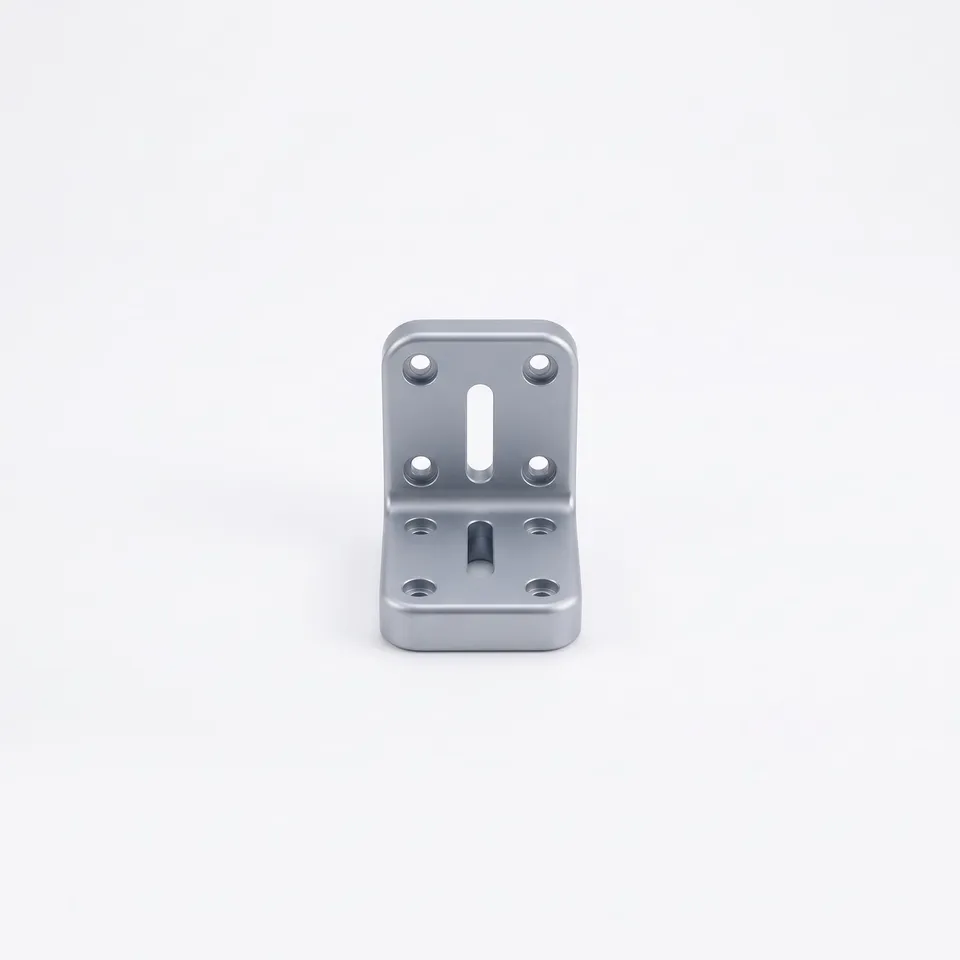
Aluminum 6082-T6
See it in the list ↓Far lighter than steel, and stiff enough to carry the load.
- Finish
- Bead blasting + natural anodizing
- Process
- CNC Machining
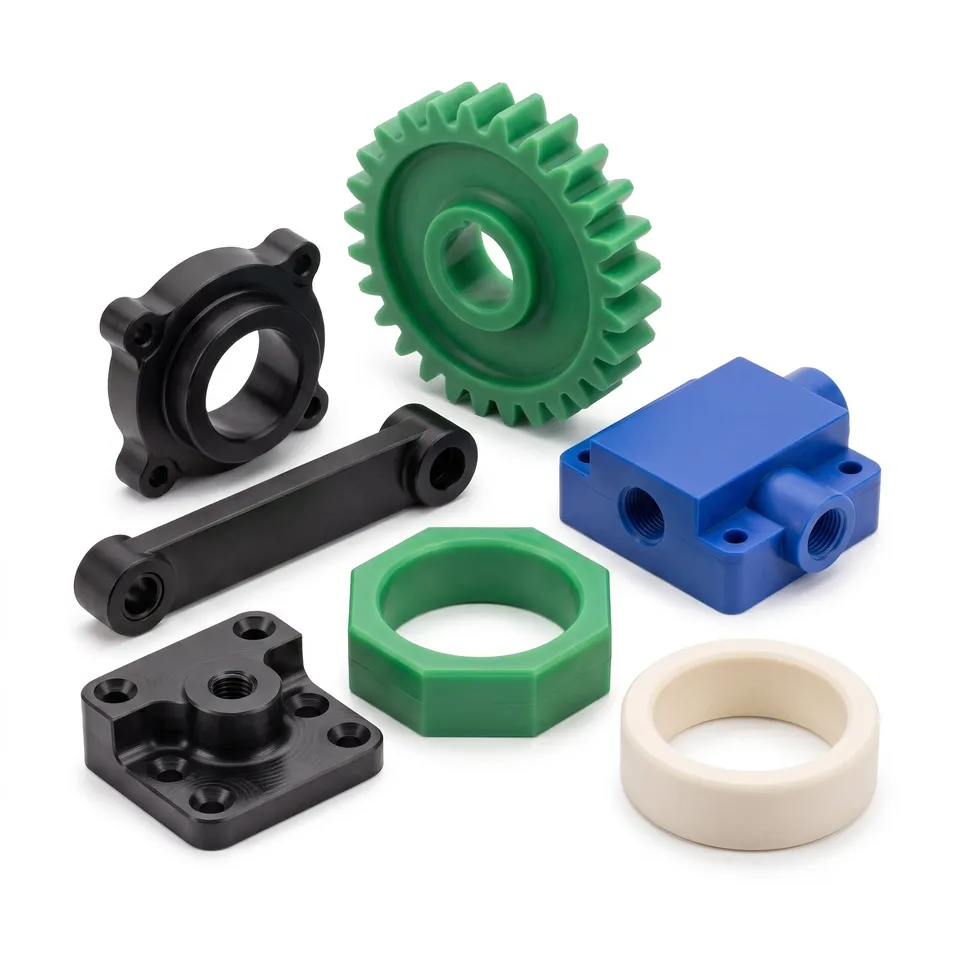
Materials
Every material we use, and its processes.
Metals
Plastics
Elastomers
Not on the list? Send the part with the grade you need →
Aluminum
Light, anodizable and easy to machine — the default for most metal parts.
Bar & plate · CNC
- 2017A-T4
- 2024-T3
- 5052-H32
- 5083-H111
- 6060-T6
- 6061-T6
- 6082-T6
- 7075-T6
- MIC6 cast plate
Sheet 1–6 mm · laser cutting
- 1050-H14
- 3003-H14
- 5052-H32
- 5754-H111
- 6061-T6
Sheet 0.8–1.5 mm · stamping
- 5052
- 5754
Profiles · extrusion
- 6005A-T6
- 6060-T6
- 6061
- 6063-T5
- 6063-T6
- 6082-T6
Printed · DMLS
- AlSi10Mg
Stainless steel
Won’t rust — for parts that live outdoors, touch fluids or get washed down.
Bar & plate · CNC
- 303
- 304 (A2)
- 310
- 316L (A4, marine)
- 420
- 430
- 17-4 PH
Sheet 0.8–6 mm · laser cutting
- 304 2B
- 304 BA mirror
- 304 brushed G240
- 316L 2B
- 316L BA mirror
- 316L brushed G240
- 430 2B
Sheet 0.5–1 mm · stamping
- 304
- 316L
Printed · DMLS
- 316L
- 17-4 PH
Carbon & alloy steel
Strong, weldable and economical — frames, shafts, gears and brackets.
Bar · CNC
- 1018 (S235JR / A36)
- 1045
- 11SMn30 free-machining
- 4140 (42CrMo4)
- 4340 (34CrNiMo6)
- 8620 case-hardening
Sheet 0.8–10 mm · laser cutting
- DC01 cold-rolled
- S275JR pickled
- DX51D galvanized
- S355J0WP weathering (Corten)
Sheet 0.5–2 mm · stamping
- DC04 deep-drawing
- DC06 extra-deep-drawing
Tool steel
Extreme hardness for molds, dies and wear parts.
Bar · CNC
- D2 (1.2379)
- H13 (1.2344)
- O1 (1.2510)
Copper, brass & bronze
Conductive, easy to machine and warm to the eye — contacts, fittings and bearings.
Bar · CNC
- Copper C101 oxygen-free
- Copper C110
- Brass C260
- Brass C360 free-cutting
- Phosphor bronze C510
- Bearing bronze C932
- Aluminum bronze C954
Sheet 0.8–3 mm · laser cutting
- Copper C110
- Brass C260 half-hard
Sheet 0.5–1 mm · stamping
- Copper C110
- Brass C260
Printed
- Brass, gold or rhodium plated
Titanium & superalloys
Light, corrosion-proof and heat-resistant — aerospace, medical and marine parts.
Bar · CNC
- Titanium Grade 2
- Titanium Grade 5 (Ti-6Al-4V)
- Inconel 625
- Inconel 718
- Hastelloy C276
- Monel 400
- Invar 36
Sheet 0.8–3 mm · laser cutting
- Titanium Grade 2
Printed · DMLS
- Ti-6Al-4V ELI
- Inconel 718
- Cobalt-chrome (CoCr)
Cast metals
Large parts from an economical sand mold — bases, housings and marine hardware.
Sand cast
- Grey iron GG25 (EN-GJL-250)
- Ductile iron GGG40
- Cast steel GS-45
- Aluminum A356
- Aluminum bronze
ABS & ASA
Tough, paintable and easy to mold. ASA adds UV resistance for parts that live outside.
Injection molding
- ABS standard
- High impact
- High heat
- Flame-retardant UL94 V-0
- Plateable
- UV-stabilized
- Recycled
- ASA outdoor / UV
Machining & extrusion
- ABS natural
- ABS black
- ABS high impact
Printed · FDM
- ABS
- ASA
Polycarbonate (PC) & PC-ABS
Clear and hard to break — lenses, covers, diffusers and tough housings.
Injection molding
- PC high clarity
- PC translucent
- PC opaque
- PC glass-filled GF30
- PC-ABS standard
- PC-ABS high heat
- PC-ABS flame-retardant UL94 V-0
- PC-ABS plateable
- PC-ABS medical
- PC-ABS recycled
Machining & extrusion
- PC clear
- PC optical solid
- PC opal LED diffuser
Printed · FDM
- PC
Polypropylene (PP)
Light, chemical-resistant and flexes without fatigue — living hinges, caps and closures.
Injection molding
- Copolymer
- Homopolymer FDA
- 30% talc-filled
- Glass-filled GF30
- Automotive
Machining & extrusion
- PP natural (FDA)
- PP black
Polyethylene (HDPE / UHMW)
Resists chemicals and wear, takes no water — food-contact and industrial parts.
Machining
- PE-300 (HDPE)
- PE-500 (HMWPE)
- PE-1000 (UHMWPE)
- Food-grade blue & green
- FDA natural
Injection molding & extrusion
- HDPE
- LDPE flexible
Nylon (PA6 / PA66 / PA12)
Wear-resistant and strong enough to replace metal in gears, clips and loaded housings.
Machining
- PA6 natural
- PA6 black
- PA6 + MoS2
- Cast PA6 (MC901)
- PA66 natural
- PA66-GF30
Injection molding
- PA6
- PA6-GF30
- PA66
- PA66-GF30
Printed · SLS / MJF / FDM
- PA12
- PA11 bio-based
- Glass-filled PA
- Carbon-filled nylon
POM (Acetal / Delrin)
Low-friction and dimensionally stable — precision gears, snap-fits and mechanisms.
Machining
- POM-C natural (FDA)
- POM-C black
- POM-C blue food-grade
Injection molding
- Standard low-friction
- Food-grade (FDA)
Acrylic (PMMA)
Clear as glass — covers, light guides and displays.
Machining & extrusion
- PMMA clear
- Cast PMMA-GS, UV-stabilized
Injection molding
- Optical clear
- Custom tint
PEEK
Survives extreme heat, heavy load, chemicals and repeated sterilization.
Machining
- PEEK natural
- PEEK medical (FDA)
Injection molding
- PEEK natural
- PEEK black
High-performance plastics
Heat, chemical and sterilization resistance beyond the engineering plastics.
Machining
- PEI (Ultem 1010)
- PPSU (Radel)
- PPS (Ryton)
- PVDF
- PTFE virgin (FDA)
- PTFE + 25% carbon
Injection molding
- PPS
- PPA
- LCP thin-wall
Printed · FDM
- PEI (Ultem 1010)
Engineering & commodity plastics
The right plastic at the right cost — electrical, clear, rigid or recyclable.
Injection molding
- PBT electrical
- PET
- HIPS
- SAN clear
- PVC rigid
Machining & extrusion
- PET-P (Ertalyte)
- PVC rigid
- PVC flexible
- Bakelite
- Garolite G-10 / FR-4
3D printing resins & filaments
Prototype and end-use materials for SLA, FDM and full-color printing.
Resins · SLA
- Standard
- Tough
- Clear
- Flexible
- Large-format
Filaments · FDM
- PLA
- PETG, sterilizable
Powder & full color
- Alumide (SLS)
- Full-color CMYK (CJP)
TPE, TPU & silicone
Soft-touch and flexible — grips, seals and buttons overmolded onto a rigid part.
Injection molding
- TPE soft-touch 50A
- TPE medical / food (FDA)
- TPU 70A
- TPU 90A
- SEBS 55A
- Liquid silicone (LSR) industrial
- LSR medical
- LSR optical
Printed · FDM / MJF
- TPU flexible
Extruded rubber
Seals and profiles that take weather, oil or chemicals.
Extrusion
- EPDM weather 60–70A
- Neoprene (CR) 65A
- Nitrile (NBR) oil 70A
- Silicone FDA 60A
- Viton (FKM) chemical 75A
Finishes
The finish goes on the same order.
Aluminum finishes
A controlled oxide layer, and the mechanical finish that goes under it.
OnAluminum
Natural anodizing
Matte silver — the most common finish.
Black anodizing
Dyed black over the anodic layer.
Color anodizing
Dyed to the color you specify.
Hard anodizing
A thick wear layer; changes dimensions by ~25 µm.
Bead blasting
A uniform matte before anodizing.
Mirror polishing
A specular shine; needs a mark-free part.
Directional brushing
A linear, appliance-style grain.
Chromate conversion
Keeps conductivity and takes paint.
Stainless steel finishes
Restore or improve the passive layer, and set the look.
OnStainless steel
Pickling & passivation
Removes iron contamination and restores the passive layer.
Electropolishing
An electrochemical polish; a sanitary finish.
Brushed, grit 240
The standard directional satin.
Mirror polish
A specular shine.
Glass bead blasting
A uniform matte that hides marks.
Coatings for steel
Corrosion protection for carbon and alloy steel.
OnCarbon & alloy steel
Clear zinc plating
Electrolytic zinc with a clear passivate.
Yellow zinc plating
An iridescent passivate, more protection.
Black oxide
A fine black finish; light protection with oil.
Phosphating
A base for paint, or to reduce friction.
Hot-dip galvanizing
Dipped in molten zinc, for harsh outdoor use.
Electroless nickel
An even layer, even inside bores and threads.
Chrome, PVD & electrolytic tones
Decorative metallic surfaces in the sector’s standard tones.
OnMetal parts
Chrome
A reflective metallic look.
PVD
A durable decorative metallic surface.
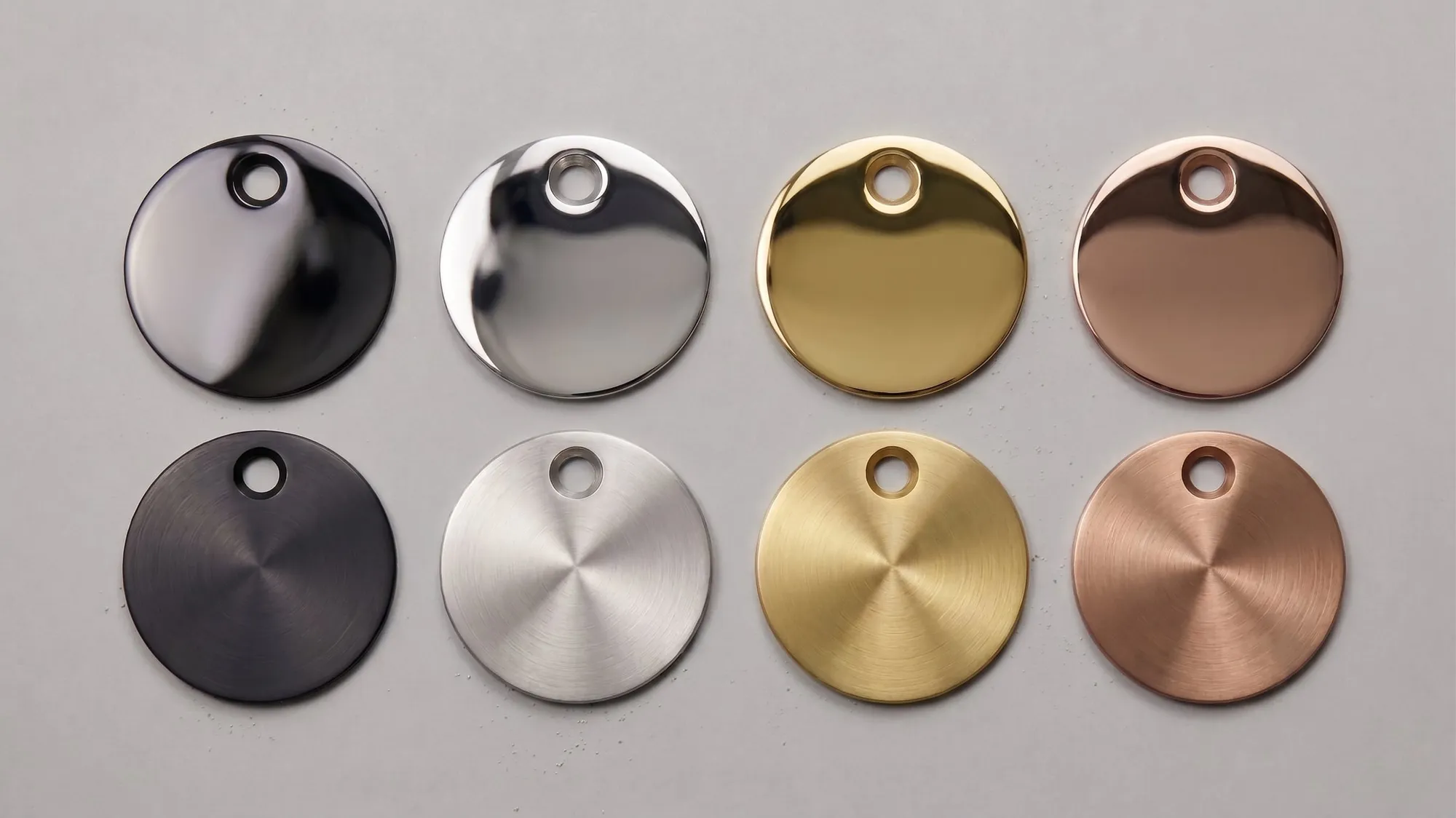
Old gold
A decorative electrolytic tone.
Brushed gold
A decorative electrolytic tone.
Gun metal
A decorative electrolytic tone.
Brushed copper
A decorative electrolytic tone.
Satin copper
A decorative electrolytic tone.
Brass, copper & bronze finishes
Decorative and protective finishes for copper alloys.
OnCopper, brass & bronze
High polish
The classic golden shine.
Satin brushing
A fine grain that shows fewer fingerprints.
Nickel plating
A silver-grey layer, harder.
Chrome plating
A bluish shine, highly resistant.
Aged patina
A dark, antique look.
Protective lacquer
Seals the shine against tarnish.
Titanium & superalloy finishes
Treatments for titanium, Inconel, Hastelloy, Monel and Invar.
OnTitanium & superalloys
Chemical pickling
Removes the oxide left by machining.
Passivation
Stabilizes the surface against corrosion.
Blasting
A uniform matte.
Polishing
Lowers roughness; a base for inspection.
Titanium color anodizing
Color by light interference, no pigment.
Powder coating
An electrostatic coat cured in an oven. Very hard-wearing.
OnSheet, stamped, extruded, cast and machined metal
Any RAL color
Any color on the classic RAL chart.
Any NCS color
To match an architectural color.
Hammer effect
An irregular texture that hides machining marks.
Fine texture
A rough matte, fingerprint-proof.
Liquid paint
Spray-applied, for exact color matches.
OnMachined, extruded and 3D-printed parts
RAL color
Matte or gloss.
NCS color
The NCS chart.
Pantone match
For a brand’s identity color.
Clear varnish
Protection without changing the base color.
Color in the material
The pigment goes in the resin, not on the surface — it cannot chip.
OnInjection-molded and extruded plastics
RAL color
Pigmented to the closest RAL.
Pantone match
Matched on the polymer.
Natural
The material’s own color, unpigmented.
Technical black
Black with UV stabilizer.
Mold textures
The finish is cut into the mold, so every part comes out with it.
OnInjection-molded plastics
SPI A2 gloss
A diamond polish; a glossy look.
SPI C1 matte
A soft matte.
VDI 27
An EDM grain; a technical matte.
Mold-Tech MT11010
A fine, leather-like texture.
Orange peel
A coarse texture that hides flaws.
Machined plastic finishes
What happens to the surface after milling or turning.
OnMachined and extruded plastics
Deburring
Burrs and sharp edges removed by hand.
Flame polishing
Brings back the clarity of PMMA and PC.
Fine sanding
An even, 400-grit surface.
Texturing
A uniform, fingerprint-proof matte.
3D printing post-processing
What happens to a part after it is printed.
On3D-printed parts
Bead blasting
Removes powder and evens the matte (SLS / MJF).
Tumbling
Softens edges and layer lines.
Vapor smoothing
Closes the porosity; an almost smooth finish.
Dyeing
A penetrating color bath.
Primer & paint
A finish coat for a part that is seen.
Sealing
Impregnated for parts that must hold fluid.
Cast part finishing
What is done to the part when it comes out of the sand mold.
OnSand-cast parts
Shot blasting
Removes sand and scale.
Fettling & grinding
Removes gates, risers and parting-line flash.
Anti-corrosion primer
A base coat for painting later.
Machining functional faces
Only the surfaces that need it.
Marking & engraving
How the part is identified: engraved, printed or labelled.
OnMetal and plastic parts, every process
Laser engraving
Permanent, with no added material.
Screen printing
Ink through a screen — good for flat logos.
Pad printing
A silicone pad that reaches curved surfaces.
Dot peen marking
Punched; survives later treatments.
QR label
A traceability label, part by part.
Protection & packing
How each part arrives protected and grouped.
OnEvery process
Bulk in a box
Loose parts with void fill.
Individual PE bag
One polyethylene bag per part.
VCI anti-corrosion bag
With a corrosion inhibitor, for bare metal.
Thermoformed blister
A custom cavity for delicate geometry.
Foam tray
Custom-cut foam, one cavity per part.
Antistatic ESD bag
For parts that sit next to electronics.
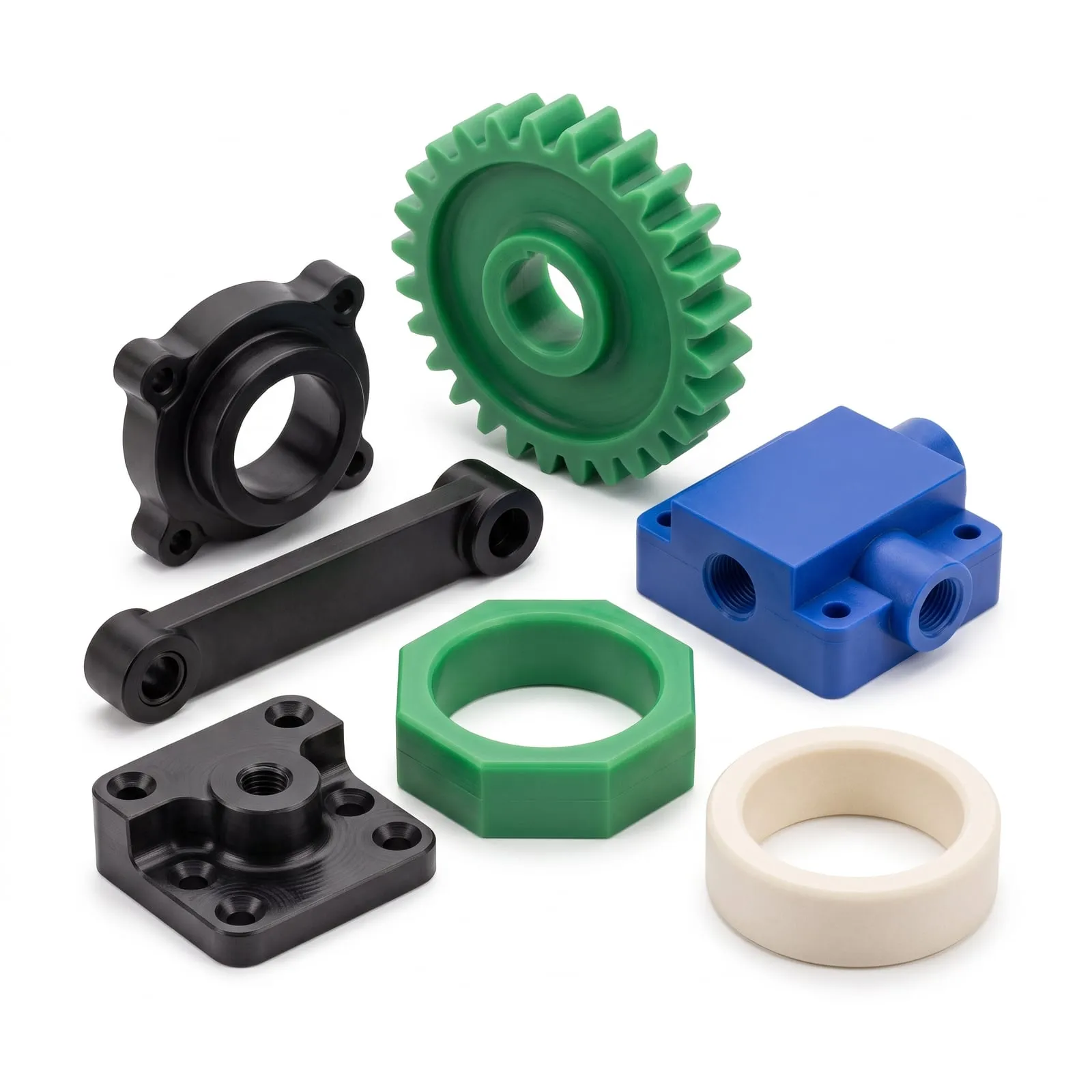
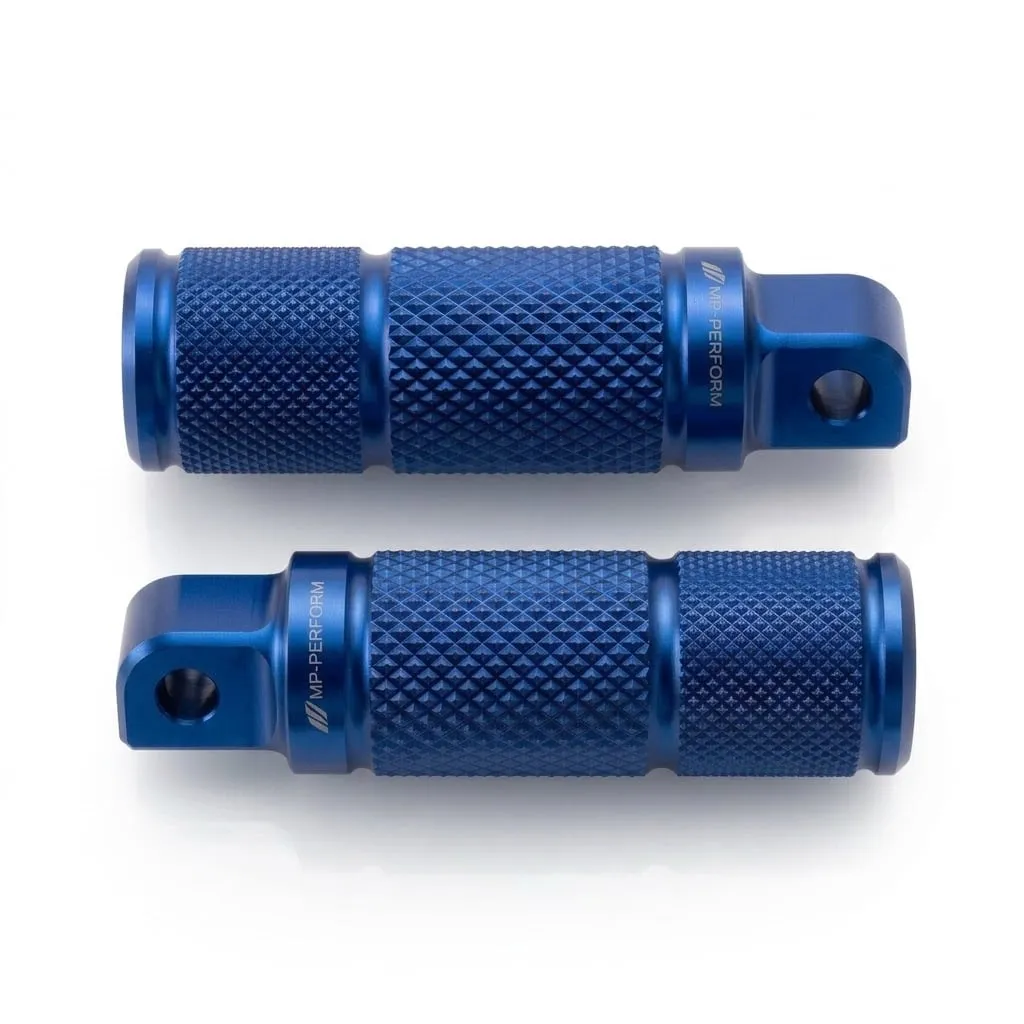
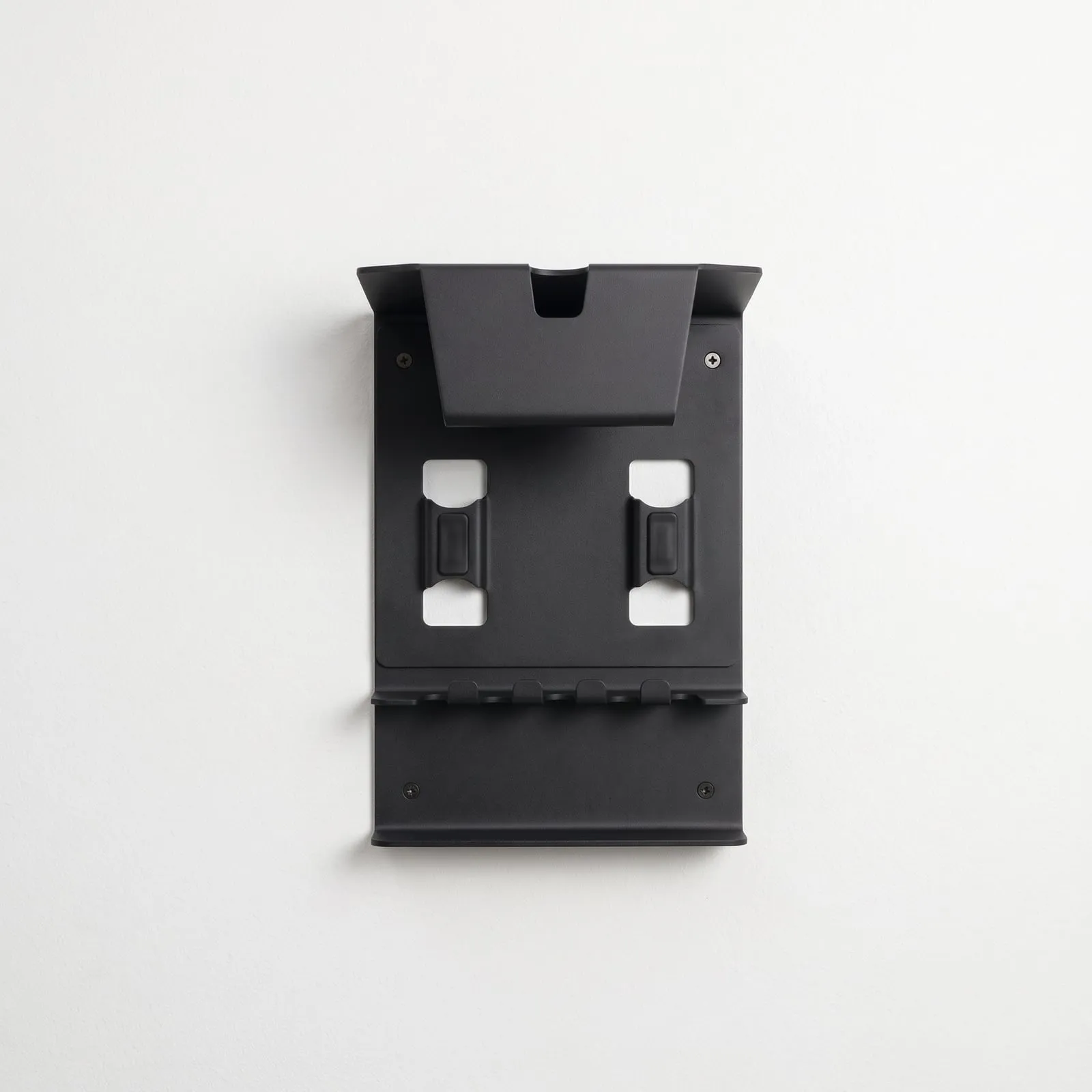
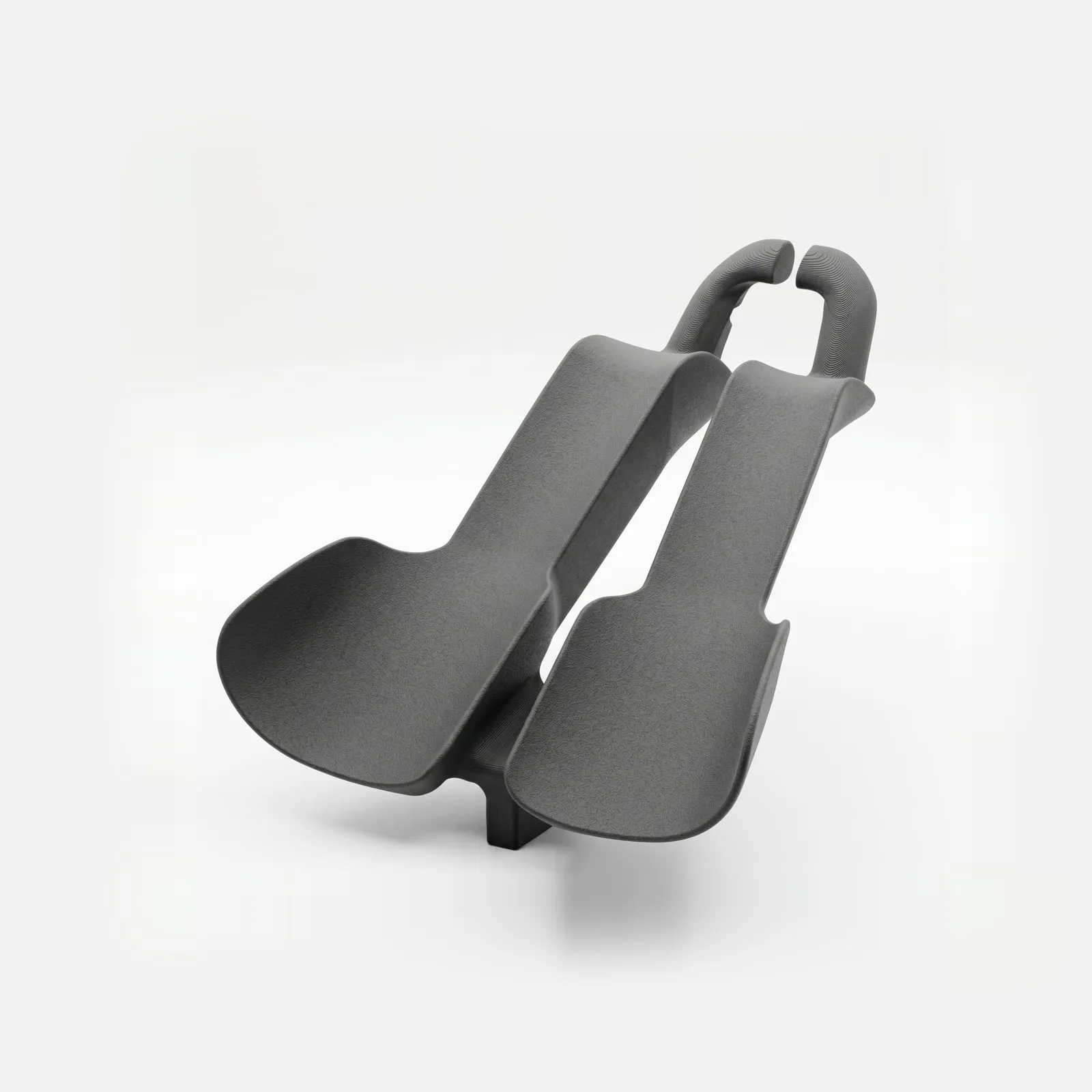
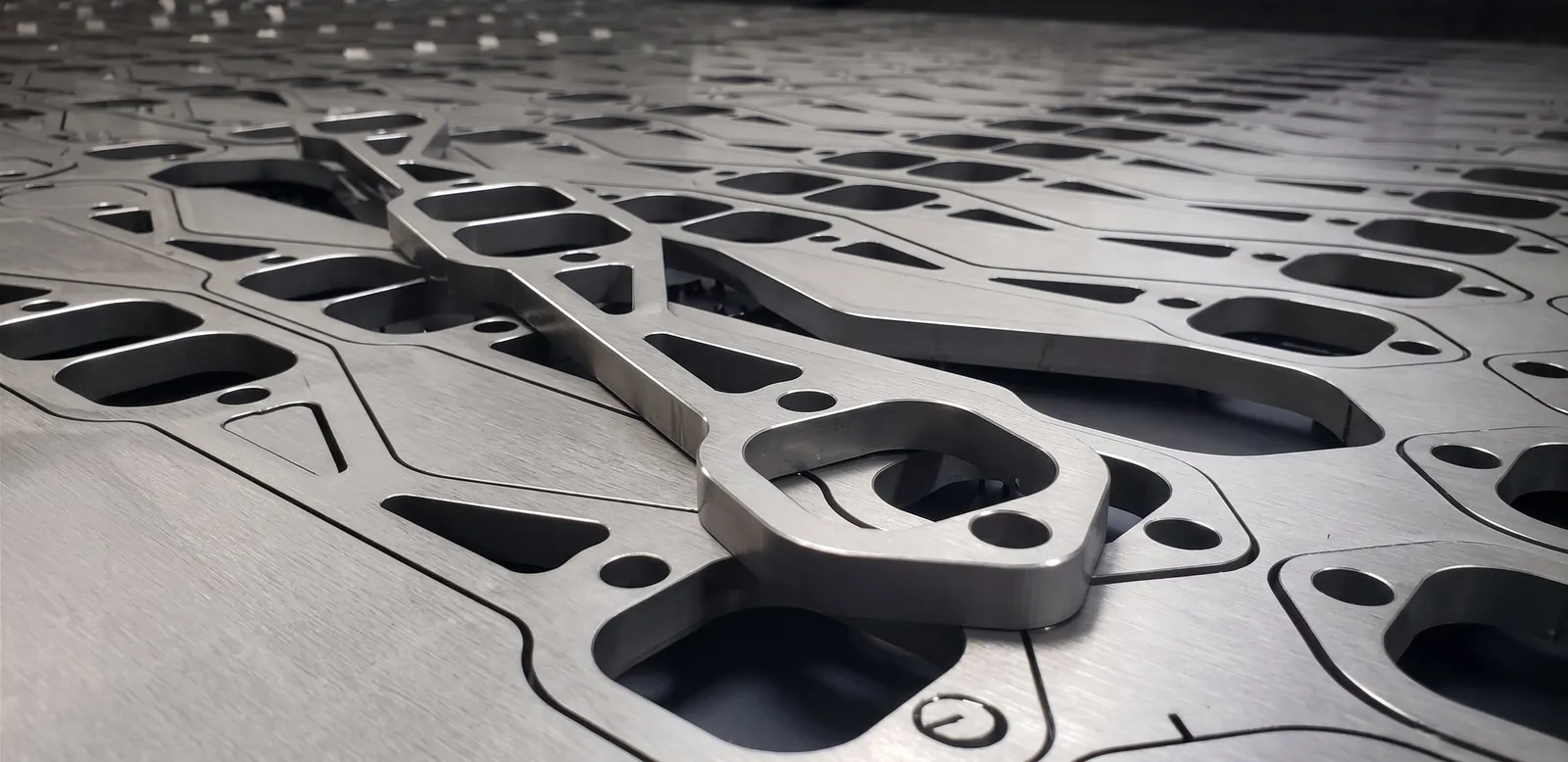
Parts we already make.
Not sure which material?
Read the guides, or send the part and ask.
Questions about materials?
Which material should I choose for my part?
Start from what the part has to do — carry a load, live outdoors, survive heat, be made by the thousand — rather than from a grade. Send the part with those conditions and we propose the material and the process together, because the two decide cost as a pair.
6061, 6082 or 7075: which aluminum?
All three are on our list as bar and plate for CNC (6061-T6, 6082-T6 and 7075-T6). 6061 is the general-purpose alloy. 6082 is the usual European alternative, with similar behavior and slightly higher strength. 7075 is much stronger, but less corrosion-resistant and harder to weld. Tell us what the part has to do and we suggest one.
304 (1.4301) or 316L (1.4404) stainless steel?
Both are on our list as bar and plate. 304 (1.4301) is the general-purpose stainless. 316L (1.4404) adds molybdenum, so it holds up better to chlorides, marine environments and cleaning chemicals. If the part lives outdoors, near the sea or gets washed down often, choose 316L; otherwise 304 usually does the job.
Which finishes work on which materials?
Each finish group says what it goes on: anodizing is for aluminum, zinc plating and black oxide for steel, flame polishing for clear plastics, mold textures for injection-molded parts. We confirm the combination on your drawing.
Which grades come for each process?
Each material’s card lists its grades by the process that runs them: bar and plate for CNC, sheet for laser cutting, sheet for stamping, profiles for extrusion, and the injection-molding and printed grades. A grade that is not listed can be asked for: send the part with the grade you need.
Do you source the material, or do I supply it?
We source it. The material is specified, bought and produced in the same order as the part, so there is no second supplier to coordinate.
The material I need isn't on this list. Can you still make the part?
Ask. This is the catalog we quote from, not the limit of what we can run. We confirm whether we can source and process the grade you need, or propose the closest match and say why.
Can the finish go on the same order as the part?
Yes. Anodizing, zinc and nickel coatings, chrome and PVD, powder coat and liquid paint, color in the resin, mold textures, polishing and blasting, marking and packing are quoted with the part, in the same order.
Does changing the material change the price?
Yes, we requote it. A different material can change the process, the tooling and the finish, so the price is reworked on the new spec rather than adjusted by a percentage.